Cambridge tech ecosystem valued at more than £150bn
The thriving Cambridge tech ecosystem is worth more than £150bn and represents 18% of the entire UK’s tech ecosystem, new data has revealed.
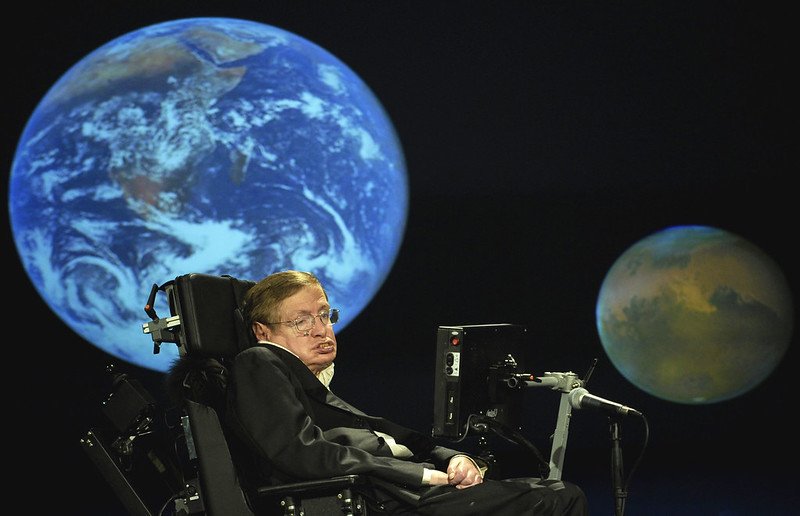
Dr. Stephen Hawking delivering a speech during a lecture as part of a series honoring NASA's 50th Anniversary in 2008 at George Washington University's Morton Auditorium in Washington. Licensed under the Creative Commons Attribution-NonCommercial (CC BY-NC 2.0)
Having been fully catalogued, Stephen Hawking’s scientific and personal archive is now available to the public at Cambridge University Library.
The archive, which contains scientific papers, personal correspondence and mementoes, was donated by the Hawking Family in 2021.
Among the 113 boxes of archive material are tens of thousands of pages relating to Hawking’s work on theoretical physics, as well as early drafts of his bestselling A Brief History of Time. There are also photographs and scripts from films and TV series like The Simpsons, The X Files and Futurama.
In one letter to his parents in 1986, dictated using Hawking’s now famous communication system, he describes it as sounding “a bit like a Dalek with an American accent”.
In another letter to the Royal Opera House in London, Hawking denounced the venue’s lack of facilities for disabled people. He cited the Chronically Sick and Disabled Persons Act 1970 and demanded better access to the building.
Other correspondence shows how dedicated the late professor was to preserving the human rights and freedom of movement for his colleagues in the Cold War Soviet Union, including Andrei Sakharov, the physicist, human rights activist and Nobel Peace Prize Laureate.
Hawking Archivist Susan Gordon, who has spent the past 28 months cataloguing the archive, said: "The archive will be a unique resource for researchers interested in Hawking’s scientific work and academic life, his personal life, popular science communication, disability rights, assistive technology, and celebrity. No single thread sits in isolation, they were interwoven in the tapestry of Hawking’s life, including glimpses into how he felt about their convergence."
Dr Katrina Dean, Cambridge University Library, added: "Working with the archive has impacted the way I think about creative and scientific processes, and what it means to create an original document. It highlights the importance of digital archives and the challenges of curating them".
Looking for your next technology, science or engineering role? Maybe you’re just starting out in your career? Polytec is here to help you find the perfect position for you. Browse our current vacancies now >>> www.polytec.co.uk/jobs
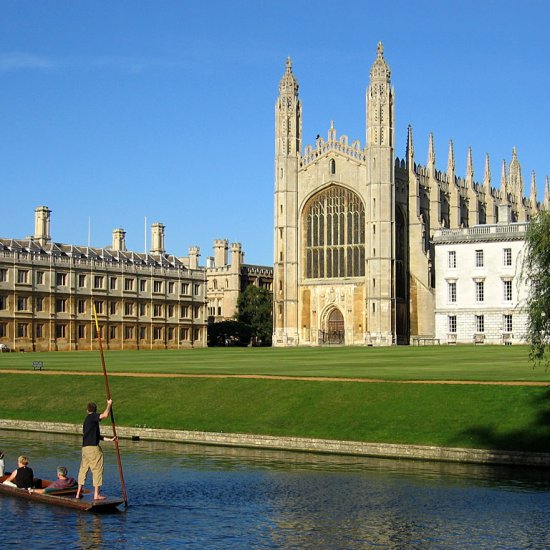
The thriving Cambridge tech ecosystem is worth more than £150bn and represents 18% of the entire UK’s tech ecosystem, new data has revealed.

Experts from the University of Cambridge are warning about the impact of so-called AI deadbots on the loved ones of the deceased individuals they are mimicking.
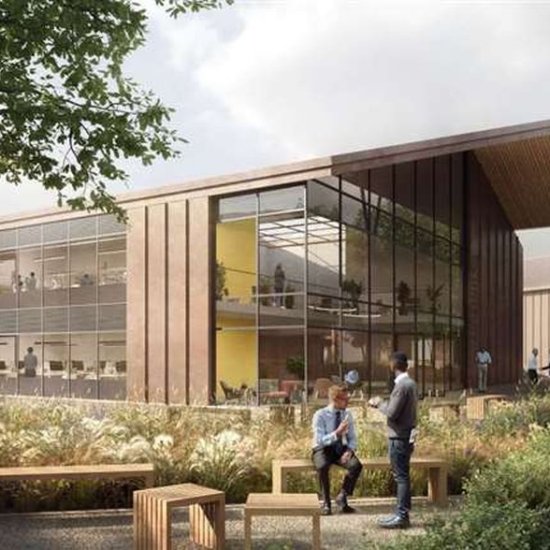
An abandoned sewage works in Hauxton, Cambridgeshire, which was described by a councillor as being like a “post-apocalyptic wasteland”, will be transformed into a new life science campus after outline planning permission for the project was approved.
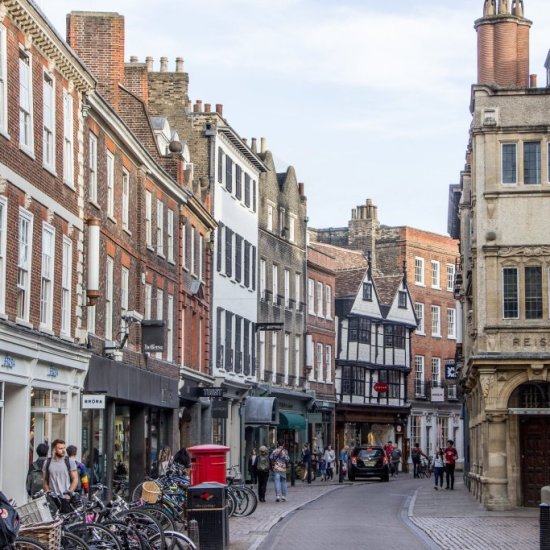
Cambridge city centre has regained its crown as the UK’s most popular shopping destination, new research has revealed.

Artificial intelligence (AI) is as good as some expert eye doctors when it comes to assessing eye conditions, new research has found.
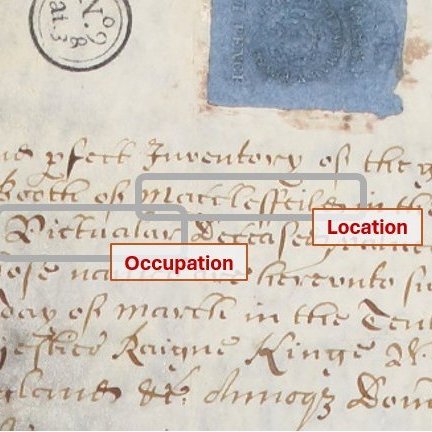
The Industrial Revolution began in Britain under the reign of the Stuarts in the 17th century – more than 100 years earlier than history books credit – new research suggests.

A new partnership has been created to help children in East Cambridge get better access to science, technology, engineering and mathematics (STEM) through hands-on workshops.
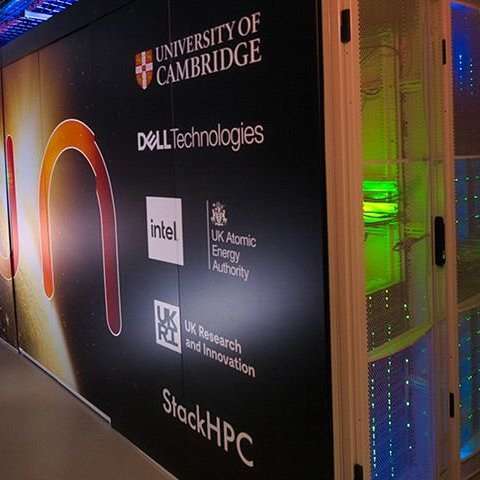
An AI supercomputer with enough power to help researchers solve the world’s most complex challenges is now up and running in Cambridge.
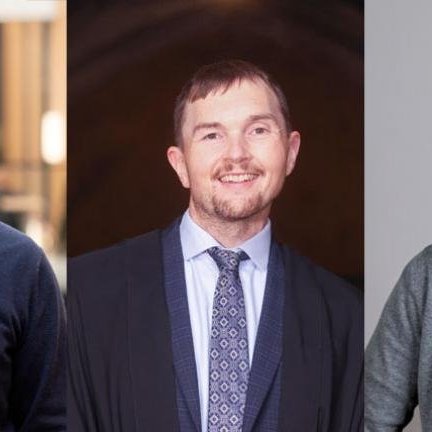
Three University of Cambridge researchers have been awarded £10m by the Royal Academy of Engineering to develop emerging technologies with high potential to deliver economic and social benefits to the UK.
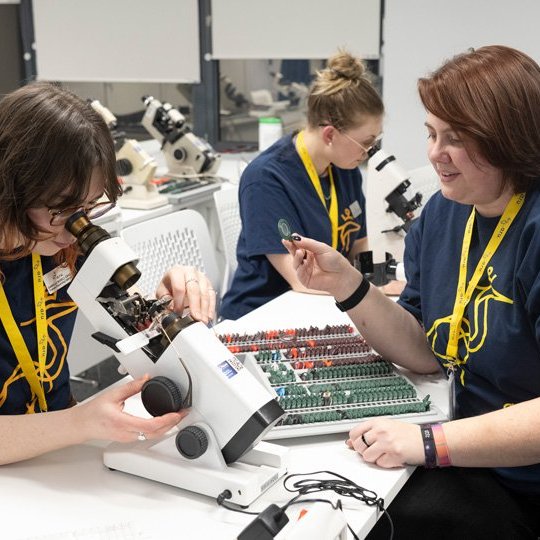
Anglia Ruskin University (ARU) has opened a new £1.9m Sensory Sciences Centre at Compass House on East Road in Cambridge.

A Cambridge-based cleantech company has secured £5.5m in funding to help drive the development of its biodegradable, plant-based plastic alternative.
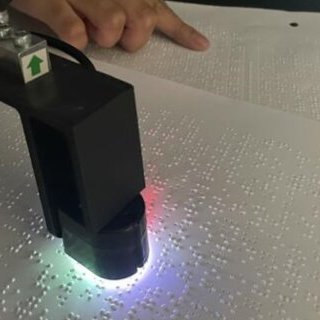
Scientists from the University of Cambridge have developed a robot that can read braille twice as fast as humans.