Ambassador visits Cambridge to boost UK-US innovation ties
The UK Ambassador to the United States visited the University of Cambridge to explore its global leadership in innovation and strengthen transatlantic academic and industrial collaboration.
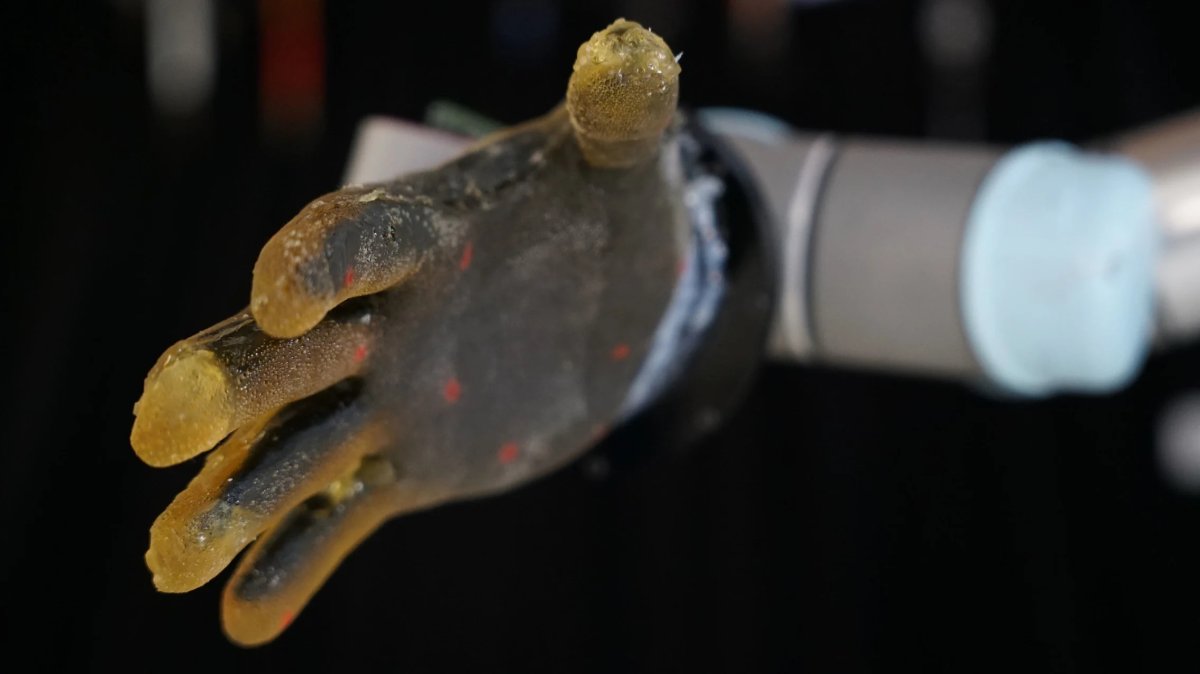
Researchers from the University of Cambridge and University College London (UCL) have developed an innovative, low-cost robotic “skin” that could dramatically enhance a robot’s sense of touch. Made from a conductive, gelatin-based hydrogel, the material can be molded into complex shapes—like a glove for robotic hands—and is both durable and easy to produce.
Unlike traditional electronic skins that require separate sensors to detect pressure, temperature, or damage, this new material acts as a single, multi-functional sensor. It mimics the human nervous system by using more than 860,000 sensing pathways embedded throughout the entire material.
“We wanted to develop a solution that can detect multiple types of touch at once, but in a single material,” said Dr David Hardman from Cambridge’s Department of Engineering. “Having different sensors for different types of touch leads to materials that are complex to make.”
By embedding just 32 electrodes at the wrist of a robotic hand made from the material, the researchers were able to collect more than 1.7 million data points across its surface. Machine learning algorithms were then used to train the skin to recognise a range of touch inputs—from light finger taps to extreme conditions like heat, cold, or even damage from a scalpel.
Tests showed that the robotic skin could quickly and accurately identify various contact scenarios, processing thousands of measurements at once across a large surface. “They’re measuring lots of different things at once, over a large surface area,” Hardman said.
While it’s not yet as sensitive as human skin, co-author Dr Thomas George Thuruthel from UCL believes it outperforms existing robotic sensing technologies. “Our method is flexible and easier to build than traditional sensors, and we’re able to calibrate it using human touch for a range of tasks,” he said.
The team sees potential applications in fields such as prosthetics, robotics, automotive manufacturing, and disaster relief. Future development will focus on improving the skin’s durability and testing it in real-world robotic scenarios.
The findings are published in Science Robotics and supported by the Samsung Global Research Outreach Program, the Royal Society, and the UK’s Engineering and Physical Sciences Research Council.
Looking for your next technology, science or engineering role? Maybe you’re just starting out in your career? Polytec is here to help you find the perfect position for you. Browse our current vacancies now >>> www.polytec.co.uk/jobs
Image credits: David Hardman, Thomas George Thuruthel, Fumiya Iida.

The UK Ambassador to the United States visited the University of Cambridge to explore its global leadership in innovation and strengthen transatlantic academic and industrial collaboration.

Researchers from the University of Cambridge and University College London (UCL) have developed an innovative, low-cost robotic “skin” that could dramatically enhance a robot’s sense of touch.

Cambridge has been recognised as the most innovative city in the UK relative to its population, according to a newly released report by Dealroom.
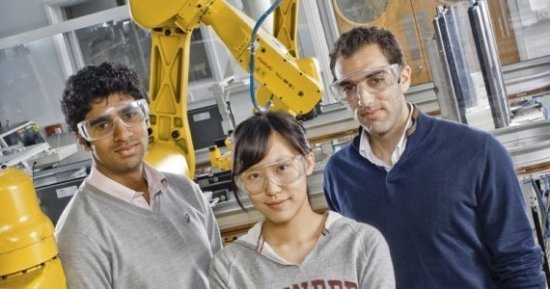
Cambridge’s advanced manufacturing and innovation economy is set for a major uplift following the UK government’s recent trade agreements with India, the United States, and the European Union.
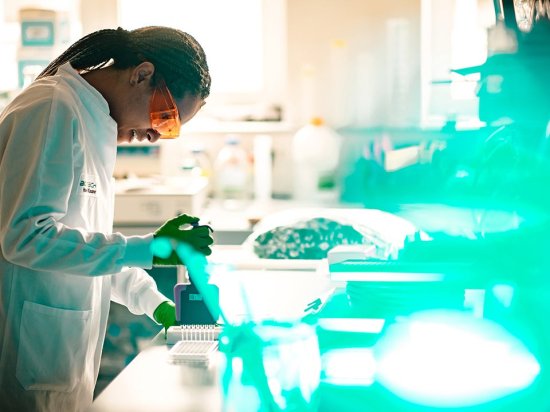
Biopharmaceutical company BioNTech yesterday announced it will invest £1bn in the United Kingdom over the next 10 years, creating hundreds of jobs in London and Cambridge in the process.

Lloyds Bank has partnered with the University of Cambridge to provide artificial intelligence (AI) training to around 300 senior staff.

Cambridge is the UK’s most sustainable city for the second year running, new data has revealed.

Digital technologies are proliferating at such a rate that the scientific systems designed to evaluate their impact on public health cannot keep up, two leading researchers have said.

The University of Cambridge is set to establish a new academic department later this year, aiming to explore how artificial intelligence (AI) can drive economic growth and enhance policymaking.
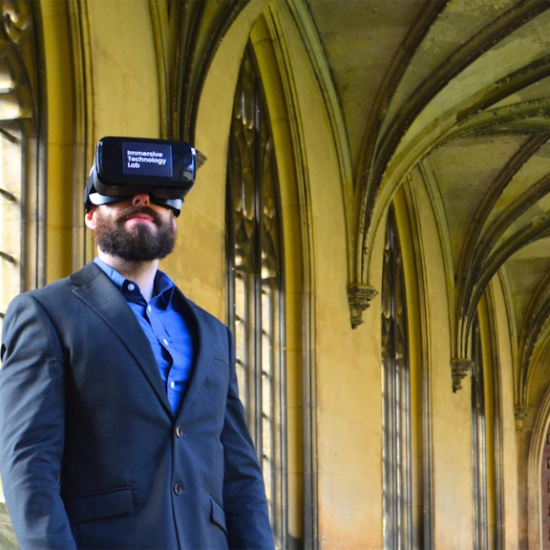
A new virtual reality (VR) platform has been developed to help people overcome their fear of public speaking.

A venture capital group backed by the University of Cambridge has launched a £100m opportunity fund designed to drive growth among DeepTech and life sciences companies in the region.
Scientists from the University of Cambridge have created a solar-powered device that converts carbon dioxide (CO2) into sustainable fuel.