Cambridge remains world's most intensive science and technology cluster
The city of Cambridge is still the world’s most intensive science and technology cluster, a new report has revealed.

A mockup of one of the research and development buildings. Credit: Mission Street
A planning application has been submitted for a new science district in Cambridge. The proposals for a former landfill site off Coldhams Lane include new science facilities, publicly accessible green space and community spaces. There will also be a public play area.
The brownfield site in question was a chalk pit in the 1950s and 1960s. It was then backfilled in the late 1960s and early 1970s with household, commercial, and industrial waste.
In a planning statement submitted as part of the application, developer Mission Street said it intends to work with local schools to allow use of a proposed pavilion for education and extracurricular activities. It also said it will mandate all tenants to become 'Cambridge Living Wage' employers.
We first wrote about Mission Street’s plans for the site in October, when it was announced by the developer that the new science district will create thousands of jobs.
Mission Street also previously commented on concerns that were raised about rejuvenating a former landfill site. The developer said the worst thing would be to maintain the status quo and that developing the site would improve the situation.
Commenting on the planning application, a Mission Street spokesperson said: "Our vision is to create a globally significant science destination that fully integrates with its neighbourhood and transforms Cambridge lives."
The planning statement added: "Cambridge has a key role in the national agenda to drive innovation growth in the UK."
Cambridge has long been touted as the ‘silicon valley of Europe’ and developments like this are needed to help the city on its mission to be recognised as a global tech hub.
A decision on the application is expected to be made in 2024.
Looking for your next technology, science or engineering role? Maybe you’re just starting out in your career? Polytec is here to help you find the perfect position for you. Browse our current vacancies now >>> www.polytec.co.uk/jobs
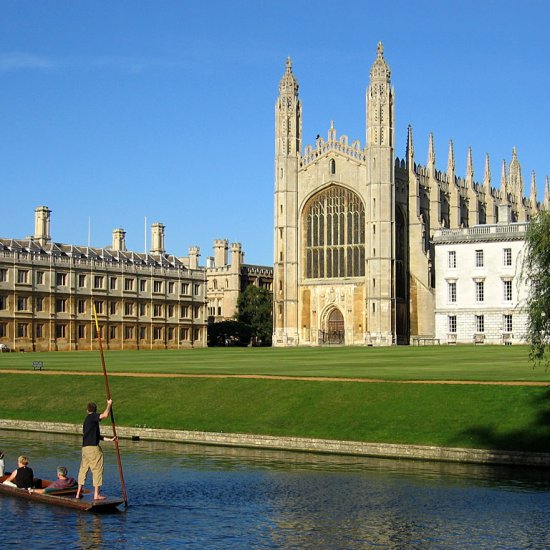
The city of Cambridge is still the world’s most intensive science and technology cluster, a new report has revealed.

The Royal Academy of Engineering has elected 73 leading figures from the field of engineering and technology into its fellowship.
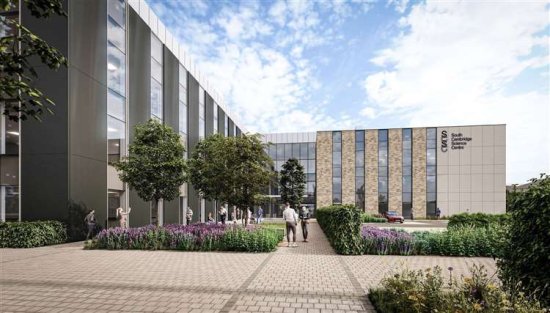
Work has begun on the new South Cambridge Science Centre (SCSC) at a brownfield site in Sawston, south of the city.

Earlier this month, the UK’s new Semiconductor Advisory Panel met at Imperial College London and members from several Cambridge chip firms were among those present.

A significant proportion of UK employers are turning to counteroffers to retain key staff amid ongoing skills shortages, new research from The Chartered Institute of Personnel and Development (CIPD) shows.

Adopting robots has a U-shaped effect on a company’s profits, driving them down to start with before they rebound and rise, according to new research from the University of Cambridge.
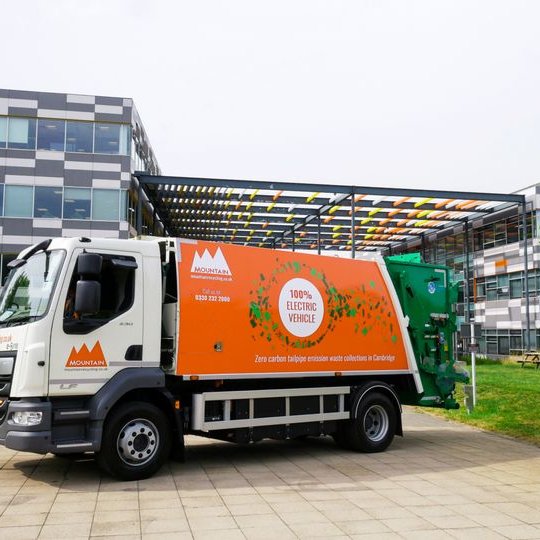
The University of Cambridge is looking to boost the amount of rubbish that gets recycled on campus by introducing new bins, 3D scanners and miles of conveyor belts.
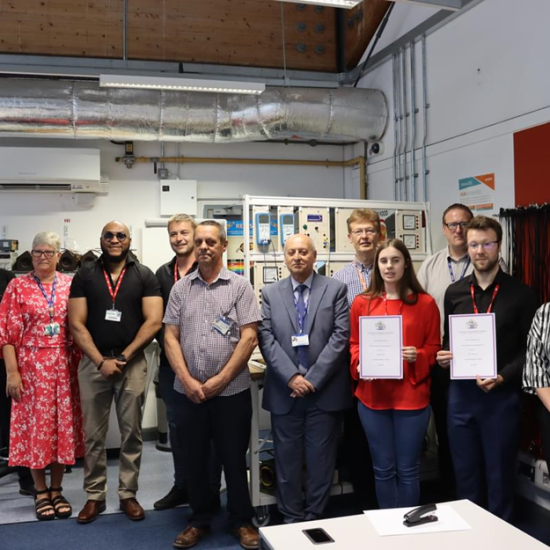
Four students from Cambridge Regional College (CRC) have had their talents recognised by The Institute of Engineering and Technology (IET)’s Cambridge Network.
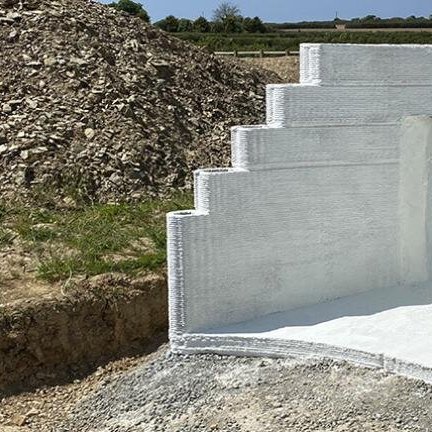
In a national first, researchers from the University of Cambridge have helped develop a 3D-printed, smart piece of concrete infrastructure for a National Highways project.

A teenager from Cambridge has won a national award in the prestigious Big Bang UK Young Scientists & Engineers Competition.

Construction has started on Cambridge South, Cambridge’s new railway station, which will serve the city’s Biomedical Campus.
Cambridge has been named one of the most desirable places to live in the UK, in a list recently published by The Telegraph.