Government revives plans for Oxford-Cambridge Arc
The UK government has vowed to boost the economy by up to £78bn by reviving plans to deliver the Oxford-Cambridge Arc.
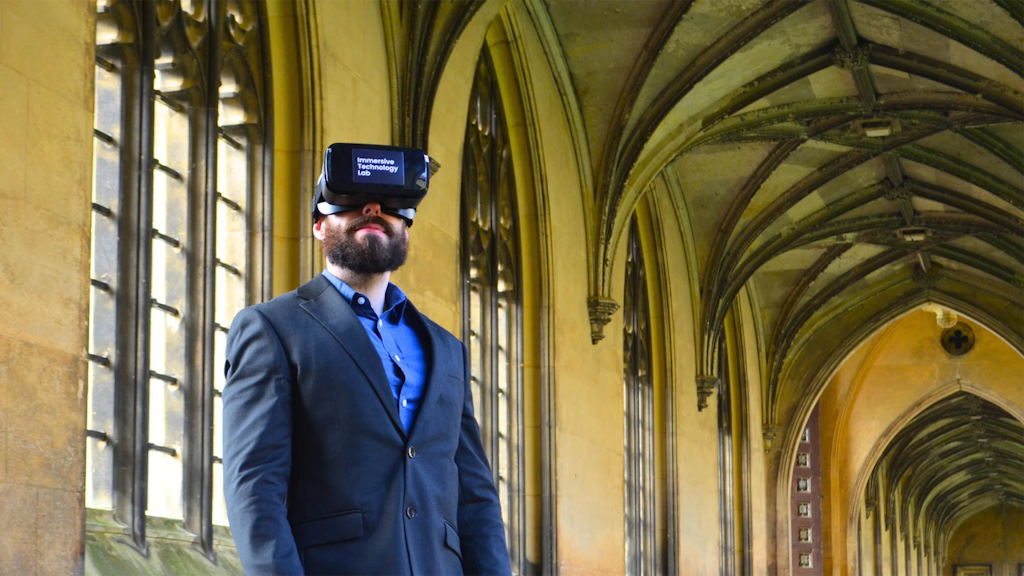
Image credit: University of Cambridge
Looking for your next technology, science or engineering role? Maybe you’re just starting out in your career? Polytec is here to help you find the perfect position for you. Browse our current vacancies now >>> www.polytec.co.uk/jobs
A new virtual reality (VR) platform has been developed to help people overcome their fear of public speaking.
The innovative tool combines exposure therapy with interactive VR environments to provide users with a practical solution for managing speech-related anxiety.
The platform – developed by Dr Chris Macdonald, the founder of the Immersive Technology Lab at Cambridge University – uses exposure therapy principles, allowing users to confront their fears in controlled virtual settings.
By practising speeches in various environments—ranging from empty classrooms to auditoriums filled with photorealistic avatars—individuals can gradually build confidence. The VR scenarios also include dynamic audience behaviours, such as yawning or fidgeting, to simulate real-life distractions, enhancing the authenticity of the practise sessions.
Accessibility is a key advantage of this VR tool. Compatible with devices like laptops, VR headsets, and smartphones, it ensures that users can engage with the platform without significant financial investment. This democratisation of access addresses the barriers of high costs and limited availability associated with traditional public speaking courses or therapies.
Preliminary studies have demonstrated the platform's effectiveness. In a recent trial involving Chinese adolescents, participants reported increased confidence and reduced anxiety after using the VR tool. These findings suggest that virtual reality can serve as a potent medium for therapeutic interventions targeting anxiety disorders.
Dr Chris Macdonald said: “Most people have some form of speech anxiety [but] very, very few people are accessing the treatment. So what I was trying to do with this project is fix those barriers."
However, experts emphasise the need for further research to validate these outcomes. Dr. Matteo Cella of King's College London and Dr. Kim Smallman of Cardiff University acknowledge the platform's potential but advocate for large-scale, controlled trials to ensure its efficacy and safety. Concerns about overexposure and the long-term sustainability of the benefits highlight the importance of comprehensive evaluations before widespread adoption.
The integration of VR technology into therapeutic practices represents a significant advancement in mental health interventions. By offering immersive, customizable, and accessible solutions, such platforms can revolutionise how individuals address and manage anxiety-related challenges. As research progresses, these tools may become standard components of therapeutic strategies, providing effective support for those seeking to overcome public speaking fears.

The UK government has vowed to boost the economy by up to £78bn by reviving plans to deliver the Oxford-Cambridge Arc.

The British Antarctic Society (BAS) is looking for people to fill a number of different roles at its research stations in Antarctica.
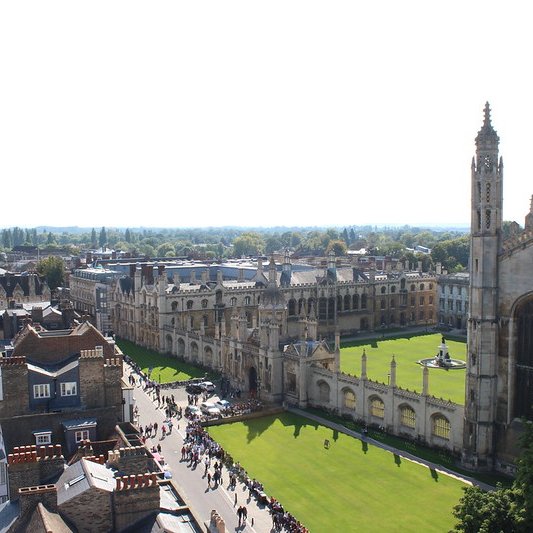
Cambridge has topped a list of fastest growing cities in the UK by population growth.
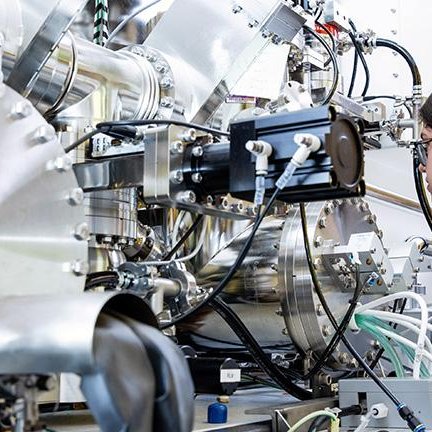
An open letter to the government from leaders across Cambridge highlights the role that the Greater Cambridge region can play in driving national economic growth.

To stand out in 2025, engineering and technology candidates must adopt cutting-edge strategies to update their CVs, optimise LinkedIn profiles and build compelling personal brands.

A manufacturer of hygiene products has taken to printing job advertisements on toilet paper in an attempt to attract more graduate engineers.

Cambridge has been named in a list of the most beautiful places to visit in England.

The Cambridge Dictionary has unveiled its Word of the Year for 2024.
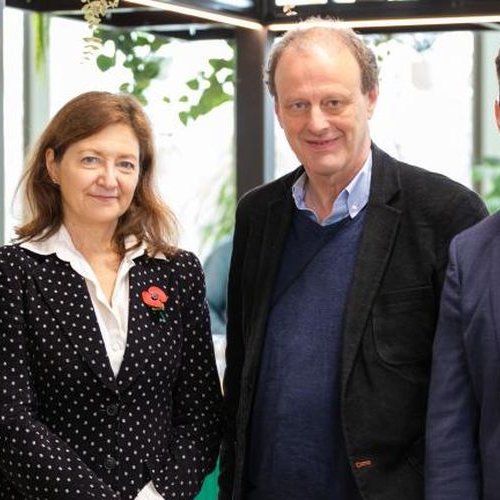
Cambridge and Greater Manchester have strengthened their strategic partnership announced in 2023 with the opening of a new innovation hub earlier this month.
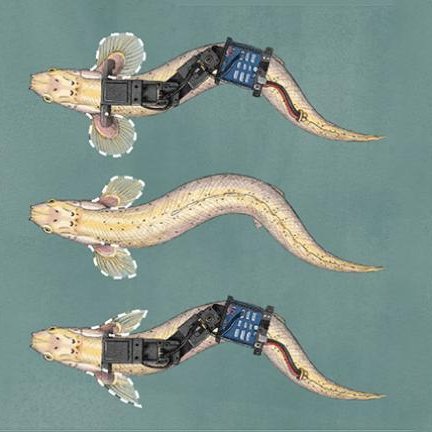
In a remarkable intersection of robotics and evolutionary biology, scientists are bringing the ancient world of early vertebrates to life, specifically the fish species thought to be the first to transition from water to land.

A landmark £1.1bn investment in Stansted Airport will create more than 5,000 jobs.
The University of Cambridge is seeking £15m from the Chancellor of the Exchequer to kick-start a new science innovation hub, one which will rival similar schemes in France and the United States.