Cambridge tech ecosystem valued at more than £150bn
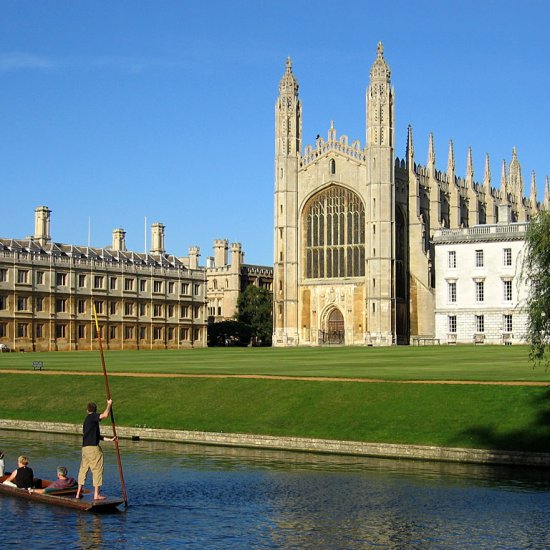
The thriving Cambridge tech ecosystem is worth more than £150bn and represents 18% of the entire UK’s tech ecosystem, new data has revealed.
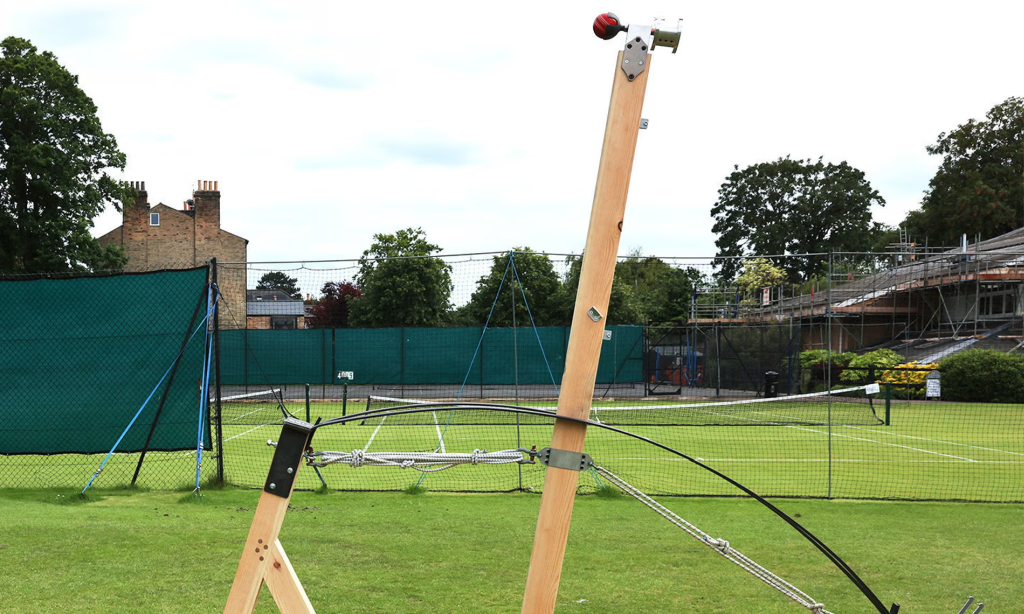
Image courtesy of University of Cambridge
Engineers from the University of Cambridge have recreated an historic bowling machine which bested an Australian international cricketer four times more than 100 years ago.
The wooden contraption, which was originally designed by John Venn – the famous mathematician who gave his name to the Venn diagram – bowled out visiting Australian star batsman Victor Trumper in 1909.
Using patent diagrams and an old photograph discovered online, the Cambridge engineers rebuilt the machine, which can launch balls at around 33mph, to use at events to inspire people considering careers in maths and engineering. Among these, it will feature at Essex County Cricket Club on June 10, as part of an event for the Essex Year of Numbers initiative to inspire a love of learning, with a focus on numeracy.
The recreation of the bowling machine was set as a challenge by Hugh Hunt, professor of engineering dynamics and vibration at Cambridge University.
Professor Hunt said: “It’s a great story, and an ingenious device, and at the time would have been in a lot of newspapers, but now it’s not really remembered outside the cricket world. Most people learn about Venn Diagrams at school, but not many know about John Venn’s quirky side – that he invented a bowling machine using wood and string and maths, which bowled out members of the Australian cricket team more than a hundred years ago. So the idea behind the project was to recreate a bit of history, and to show how much fun you can have with maths.”
Looking for your next technology, science or engineering role? Maybe you’re just starting out in your career? Polytec is here to help you find the perfect position for you. Browse our current vacancies now >>> www.polytec.co.uk/jobs
The thriving Cambridge tech ecosystem is worth more than £150bn and represents 18% of the entire UK’s tech ecosystem, new data has revealed.

Experts from the University of Cambridge are warning about the impact of so-called AI deadbots on the loved ones of the deceased individuals they are mimicking.

An abandoned sewage works in Hauxton, Cambridgeshire, which was described by a councillor as being like a “post-apocalyptic wasteland”, will be transformed into a new life science campus after outline planning permission for the project was approved.
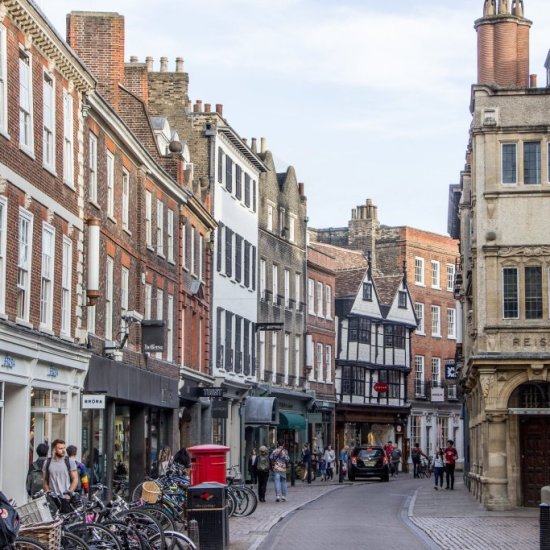
Cambridge city centre has regained its crown as the UK’s most popular shopping destination, new research has revealed.

Artificial intelligence (AI) is as good as some expert eye doctors when it comes to assessing eye conditions, new research has found.
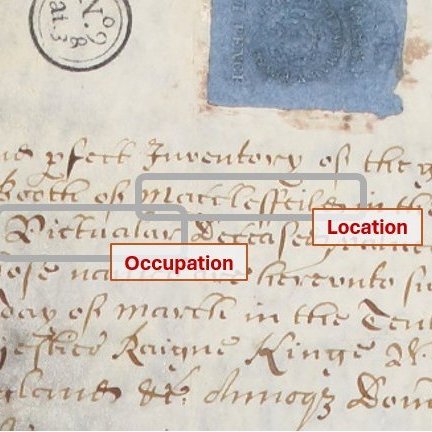
The Industrial Revolution began in Britain under the reign of the Stuarts in the 17th century – more than 100 years earlier than history books credit – new research suggests.

A new partnership has been created to help children in East Cambridge get better access to science, technology, engineering and mathematics (STEM) through hands-on workshops.
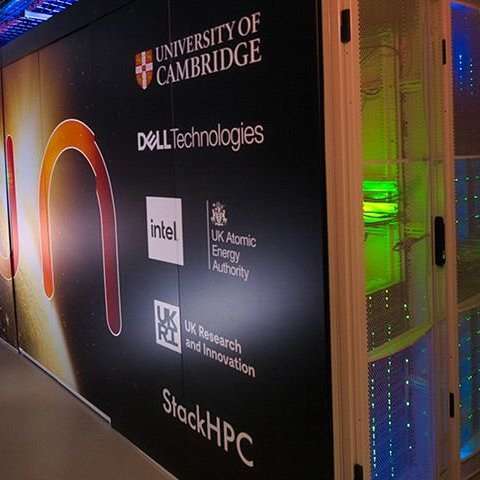
An AI supercomputer with enough power to help researchers solve the world’s most complex challenges is now up and running in Cambridge.

Three University of Cambridge researchers have been awarded £10m by the Royal Academy of Engineering to develop emerging technologies with high potential to deliver economic and social benefits to the UK.
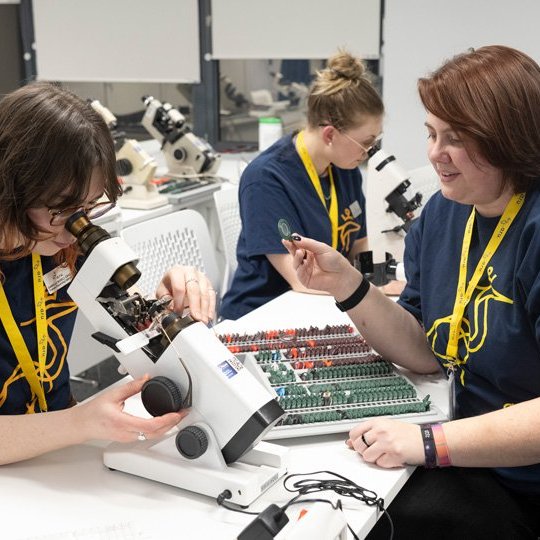
Anglia Ruskin University (ARU) has opened a new £1.9m Sensory Sciences Centre at Compass House on East Road in Cambridge.

A Cambridge-based cleantech company has secured £5.5m in funding to help drive the development of its biodegradable, plant-based plastic alternative.

Scientists from the University of Cambridge have developed a robot that can read braille twice as fast as humans.