Cambridge tech ecosystem valued at more than £150bn
The thriving Cambridge tech ecosystem is worth more than £150bn and represents 18% of the entire UK’s tech ecosystem, new data has revealed.
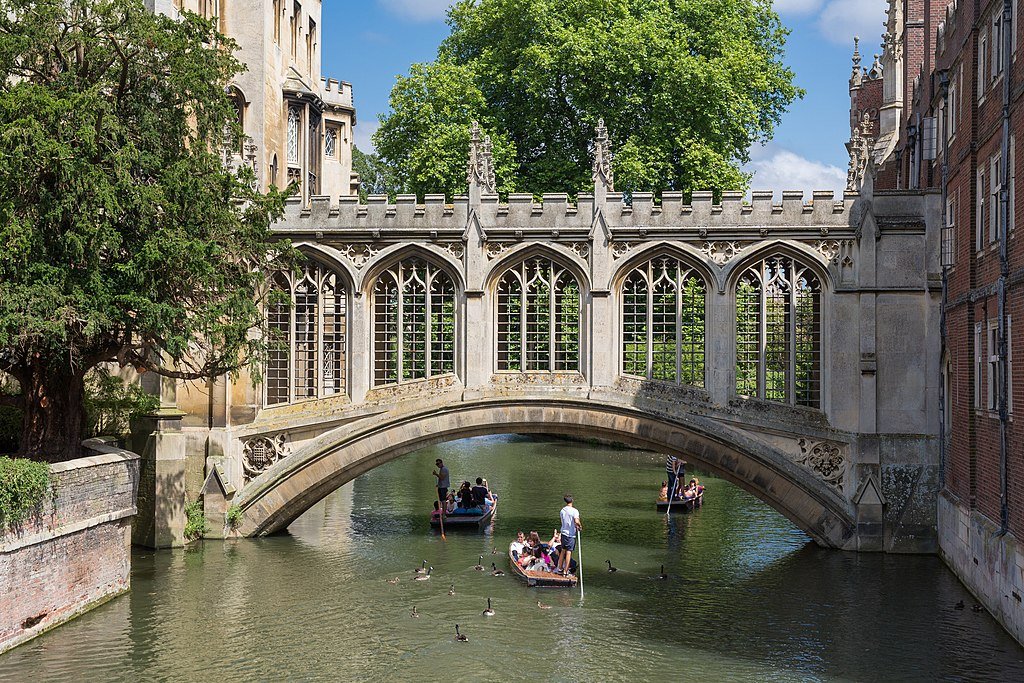
The Bridge of Sighs in St John's College, Cambridge, England. Licensed under the Creative Commons Attribution-Share Alike 3.0 Unported license.
Industry leaders and prominent companies are calling on the government to make the Oxford-Cambridge region the “crown jewel” of science and innovation in Europe.
This effort, spearheaded by the Oxford-Cambridge Supercluster Board, emphasises the economic potential of the region, which could contribute up to £50bn annually to the UK economy by 2030.
The Supercluster Board's report outlines several critical policy areas essential for this transformation. Key among these is the development of an East West Rail (EWR) link to connect Oxford and Cambridge, creating the necessary infrastructure to support a unified supercluster. This rail link is seen as crucial for achieving the critical mass required for the region to compete on a global scale.
The region is already notable for its high concentration of research, scientific talent, and global enterprises, contributing approximately seven per cent of the UK's GDP. However, the report highlights that the current scale of the cluster limits productivity gains. By addressing these constraints, the UK could cultivate advanced industry champions and take advantage of its scientific expertise on the world stage.
To unlock the region's full potential, the report proposes several measures, including the accelerated delivery of lab space through an 'innovation-use' class, improved R&D incentives, and permanent tax relief for new-to-market R&D. It also suggests working with universities to support spinouts and ensuring startups have access to necessary financing.
A letter to the Prime Minister, signed by industry leaders from companies such as AstraZeneca, Airbus, and Aveva, echoes these recommendations. It stresses the need for investment in transport links, financial incentives, and research space to capitalise on the region's strengths. The letter also underscores the importance of creating a supercluster to prevent innovative UK companies from relocating overseas due to a lack of infrastructure and development capital.
The appeal aligns with Labour's focus on promoting industries that drive economic growth, which is crucial for public spending plans. The proposed measures are intended to create extensive, direct, and spillover effects that would benefit the entire country, solidifying the Oxford-Cambridge region as a global science and technology supercluster.
Looking for your next technology, science or engineering role? Maybe you’re just starting out in your career? Polytec is here to help you find the perfect position for you. Browse our current vacancies now >>> www.polytec.co.uk/jobs
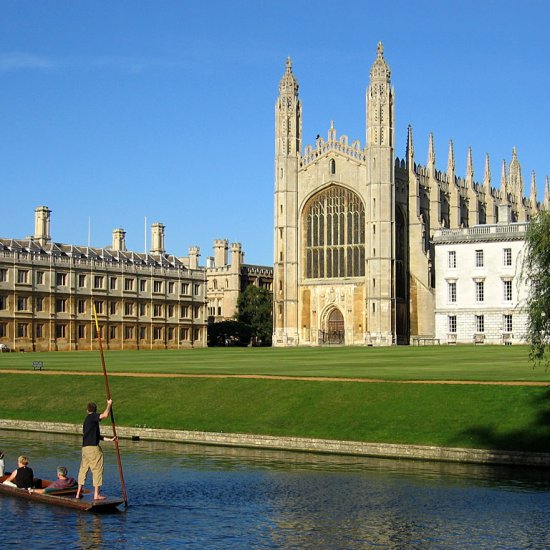
The thriving Cambridge tech ecosystem is worth more than £150bn and represents 18% of the entire UK’s tech ecosystem, new data has revealed.

Experts from the University of Cambridge are warning about the impact of so-called AI deadbots on the loved ones of the deceased individuals they are mimicking.

An abandoned sewage works in Hauxton, Cambridgeshire, which was described by a councillor as being like a “post-apocalyptic wasteland”, will be transformed into a new life science campus after outline planning permission for the project was approved.
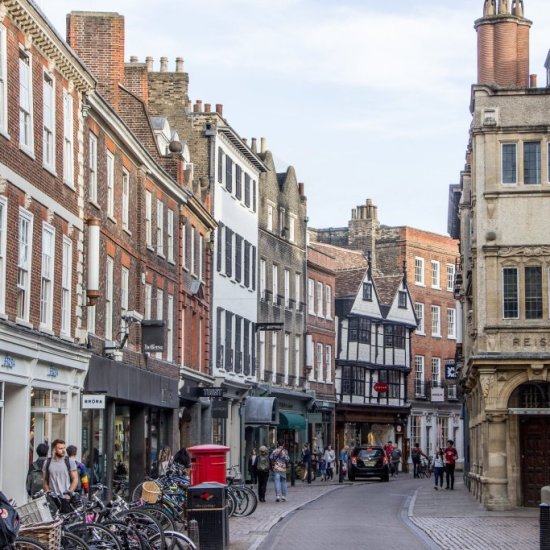
Cambridge city centre has regained its crown as the UK’s most popular shopping destination, new research has revealed.

Artificial intelligence (AI) is as good as some expert eye doctors when it comes to assessing eye conditions, new research has found.

The Industrial Revolution began in Britain under the reign of the Stuarts in the 17th century – more than 100 years earlier than history books credit – new research suggests.

A new partnership has been created to help children in East Cambridge get better access to science, technology, engineering and mathematics (STEM) through hands-on workshops.
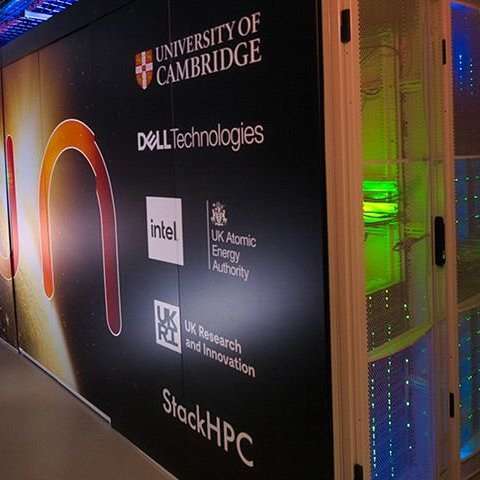
An AI supercomputer with enough power to help researchers solve the world’s most complex challenges is now up and running in Cambridge.

Three University of Cambridge researchers have been awarded £10m by the Royal Academy of Engineering to develop emerging technologies with high potential to deliver economic and social benefits to the UK.
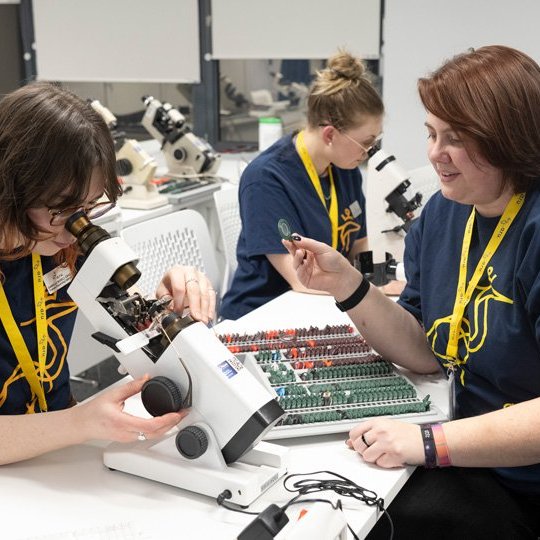
Anglia Ruskin University (ARU) has opened a new £1.9m Sensory Sciences Centre at Compass House on East Road in Cambridge.

A Cambridge-based cleantech company has secured £5.5m in funding to help drive the development of its biodegradable, plant-based plastic alternative.

Scientists from the University of Cambridge have developed a robot that can read braille twice as fast as humans.