Former Cambridge University Nuclear Engineering Student Could Become the First Woman to Walk on the Moon
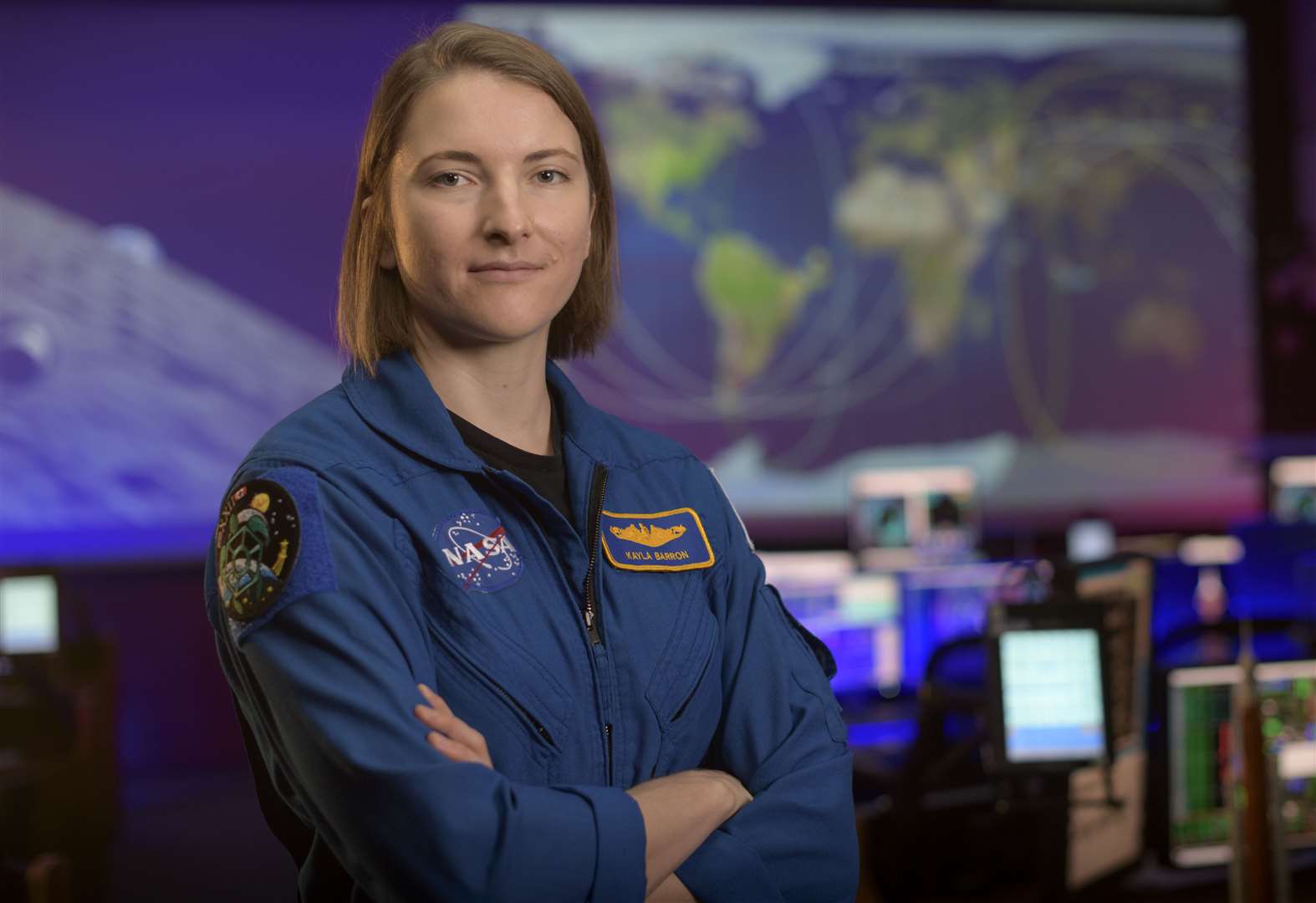
A former University of Cambridge alumna could become the first woman to walk on the moon. Kayla Barron, a Gates Cambridge Scholar and NASA astronaut, has been selected to become part of NASA’s Artemis Team. This makes Kayla eligible for the next astronaut missions, which could see her become the first woman to step foot on Earth’s only natural satellite.
Kayla, who hails from the city of Richland in Washington, United States became an astronaut in 2017, alongside a Cambridge lecturer at the Department of Engineering, Dr Jenni Sidey-Gibbons, who now works for the Canadian Space Agency and who could form part of the team based on a moon-orbiting outpost called The Gateway.
Prior to becoming an astronaut, Kayla earned a master’s degree in nuclear engineering from the University of Cambridge.
The Artemis Programme
The Artemis Programme
A total of 18 astronauts have been selected from NASA’s corps to form the Artemis Team, which will help pave the way for the next astronaut missions on and around the moon as part of the Artemis Programme*.
The Artemis Team was first presented to the world by outgoing US vice president Mike Pence back in December during the eighth National Space Council meeting at NASA’s Kennedy Space Center in Florida. Unveiling the team, Pence said: “I give you the heroes who will carry us to the moon and beyond – the Artemis Generation”.
The Artemis Programme will land the first woman and next man on the moon in 2024, with a view to establishing a sustainable human lunar presence by the end of the current decade.
Image credit: NASA/Bill Ingalls
You can learn more about Kayla in this NASA video:
***
Kayla’s achievements highlight how anything is possible with the right commitment and outline the amazing opportunities that are out there if you are serious about an engineering career.
While the current COVID-19 outbreak has caused a lot of uncertainty and economic turmoil, there are companies out there that are still hiring at the moment. But with staying at home now the new temporary norm, many recruiting managers have taken to conducting online interviews instead of the more traditional face-to-face kind.
The ongoing COVID-19 outbreak means most people are at home wondering how everything is going to eventually play out. The lack of a daily commute also means most of us have more time on our hands right now than ever before. So if you’ve been considering looking for a new job, this could be the opportunity you’ve been waiting for.
Unless we do something radical, by 2050, there will be more plastic in the ocean (by weight) than fish. That was the stark warning issued in a report by the Ellen MacArthur Foundation back in December 2017.
Cambridge attracted four times as much tech investment as London in 2019, further highlighting how the university city is quickly emerging as the UK’s Silicon Valley, new figures show.
Supercapacitors charge almost instantly and have much longer lifespans than Li-ion batteries, but they typically can only store tiny amounts of power. Batteries, on the other hand, can hold large amounts of power, but take ages to fully charge – one of the biggest challenges with electric vehicles.
Scientists have created a genetically modified (GM) male diamondback moth in an attempt to dramatically curb the billions of pounds worth of damage it wreaks every year on crops.
With enough strength to handle objects three times its own weight, the robotic hand below is touted as the “world’s strongest” by its makers. However, it’s not all about strength, as this robotic hand is gentle and dexterous enough to gracefully play a piano, serve a glass of water and even hold eggs.
January is a popular month for job seekers, as individuals use the start of the New Year to look at their current career paths and contemplate whether they want to change them.
From smart watches to fitness trackers to smart glasses and more, wearable tech has firmly established itself as a significant part of our lives. But how far will it all go? How about some ‘smart’ adaptive soles for your shoes!? Here’s Wahu…
It’s more than 20 years since Sony’s Aibo robotic dog was released (yes, it was really that long ago!) and a recent reboot of the lovable ‘pet’ proved that interactive companions are still popular. But what if you’re more of a cat person?
Are there any limits to what can and cannot be made using a 3D printer? Apparently not when you consider the two amazing creations we’re about to tell you about.