Cambridge remains world's most intensive science and technology cluster
The city of Cambridge is still the world’s most intensive science and technology cluster, a new report has revealed.
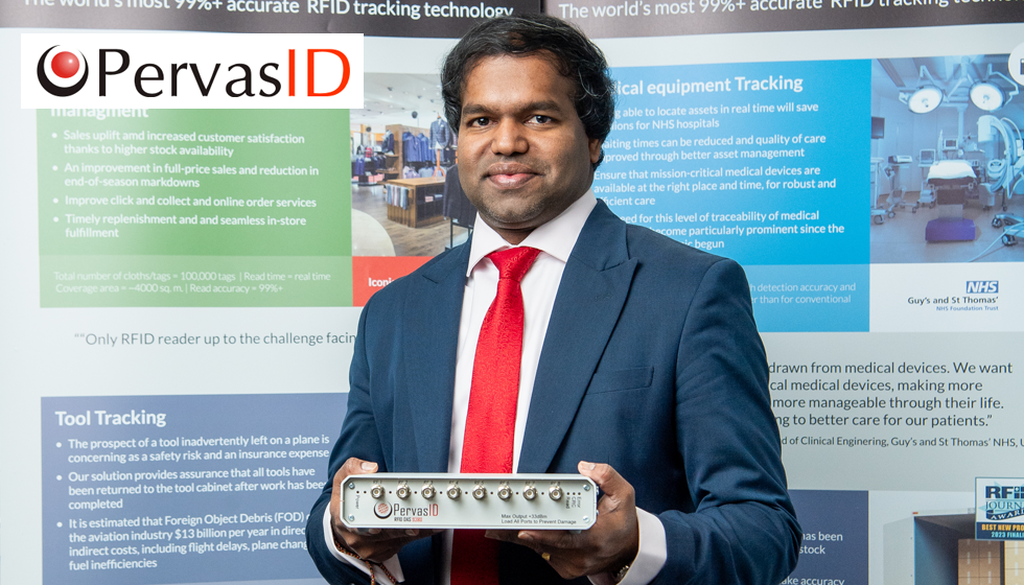
Dr Sithamparanathan Sabesan, CEO and Co-Founder of PervasID. Credit: PervasID
The pioneering founder of a Cambridge company that specialises in location-tracking technology has been recognised in the New Year Honours list.
Dr Sabesan Sithamparanathan, who founded Cambridge company PervasID, was awarded an OBE in the King’s 2024 New Year Honours List for services to innovation technology and the promotion of STEM subjects in education.
PervasID’s revolutionary RFID (Radio-frequency identification) tracking system is used by NHS trusts, hospitals, aircraft manufacturers, retailers and more to track objects in real-time and with 99% accuracy.
In hospitals, the system is used to closely monitor surgical instruments, ensuring they are properly cleaned and sterilised, and available in the right place at the right time.
Retailers have also adopted the technology to track stock and enhance click-and-collect services.
Dr Sithamparanathan was born and educated in Sri Lanka. He came to the UK to study Electronic Engineering at the University of Sheffield before embarking on a PhD at Corpus Christi College, Cambridge, where he developed his tracking system.
In 2011, Sabesan was elected to a Research Fellowship at Girton College, Cambridge, and in 2014 was awarded a Royal Academy of Engineering Enterprise Fellowship. He was elected as the inaugural Girton Enterprise Fellow in 2022.
“I am absolutely delighted to have been recognised in the New Year’s Honour list; this is a great honour and testament to the hard work and innovation of the entire team at PervasID,” said Dr Sabesan Sithamparanathan, Founder & President of PervasID. “Our products offer a national and international benefit and we will continue to pioneer technology that has a wider value to society as a whole.”
Looking for your next technology, science or engineering role? Maybe you’re just starting out in your career? Polytec is here to help you find the perfect position for you. Browse our current vacancies now >>> www.polytec.co.uk/jobs
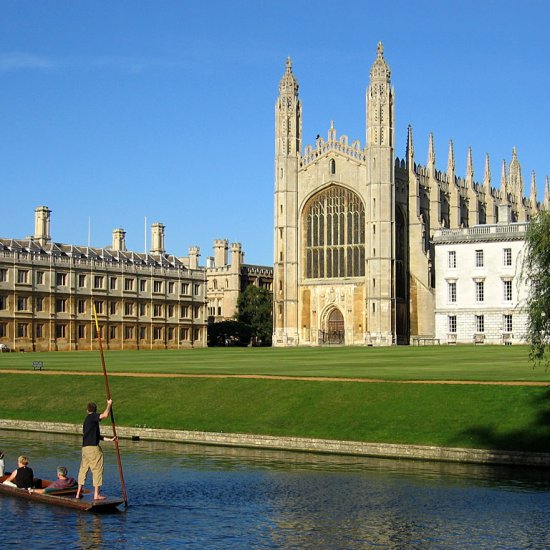
The city of Cambridge is still the world’s most intensive science and technology cluster, a new report has revealed.

The Royal Academy of Engineering has elected 73 leading figures from the field of engineering and technology into its fellowship.

Work has begun on the new South Cambridge Science Centre (SCSC) at a brownfield site in Sawston, south of the city.
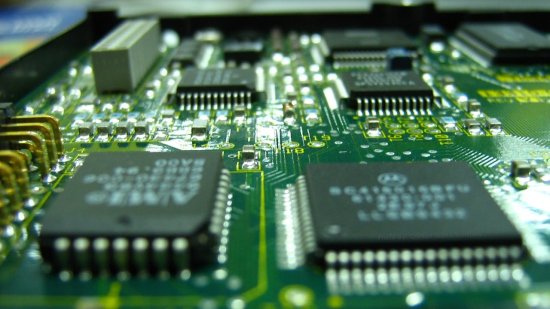
Earlier this month, the UK’s new Semiconductor Advisory Panel met at Imperial College London and members from several Cambridge chip firms were among those present.

A significant proportion of UK employers are turning to counteroffers to retain key staff amid ongoing skills shortages, new research from The Chartered Institute of Personnel and Development (CIPD) shows.

Adopting robots has a U-shaped effect on a company’s profits, driving them down to start with before they rebound and rise, according to new research from the University of Cambridge.
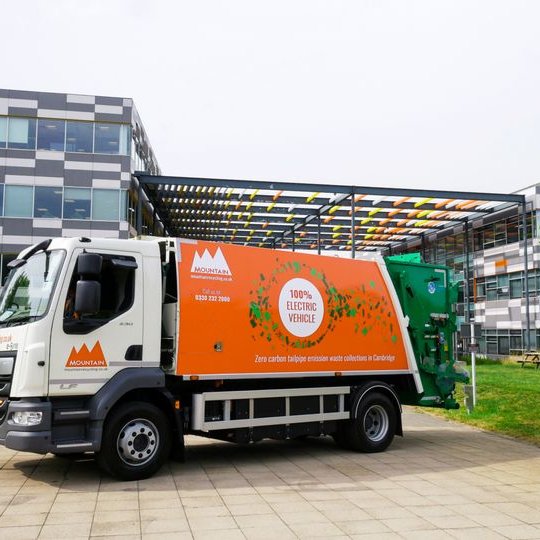
The University of Cambridge is looking to boost the amount of rubbish that gets recycled on campus by introducing new bins, 3D scanners and miles of conveyor belts.
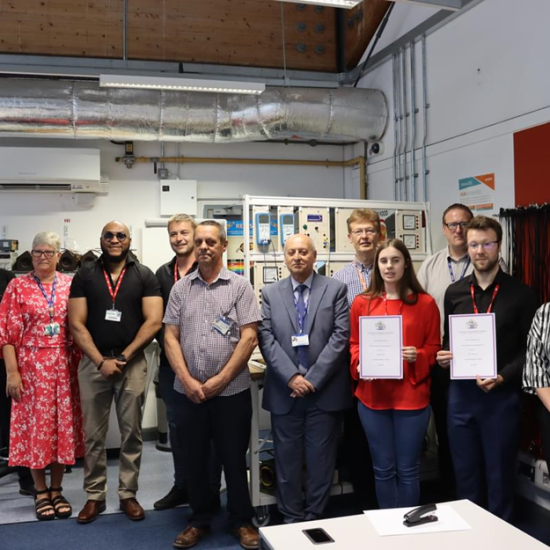
Four students from Cambridge Regional College (CRC) have had their talents recognised by The Institute of Engineering and Technology (IET)’s Cambridge Network.

In a national first, researchers from the University of Cambridge have helped develop a 3D-printed, smart piece of concrete infrastructure for a National Highways project.

A teenager from Cambridge has won a national award in the prestigious Big Bang UK Young Scientists & Engineers Competition.

Construction has started on Cambridge South, Cambridge’s new railway station, which will serve the city’s Biomedical Campus.
Cambridge has been named one of the most desirable places to live in the UK, in a list recently published by The Telegraph.