Cambridge to launch £20m AI research hub for next-generation medicines
A new £20m research hub is being established in Cambridge to accelerate the development of medicines by combining artificial intelligence (AI), advanced laboratory models and clinical research.
The hub will be based at the Cambridge Stem Cell Institute on the Cambridge Biomedical Campus and is being funded by the Medical Research Council (MRC) in partnership with Cambridge University Hospitals NHS Foundation Trust (CUH).
Researchers will develop and use models based on human tissues and diseases to improve the translation of laboratory research into treatments that can ultimately be tested in patients.
The initiative will focus on developing research methods that more accurately replicate human biology, potentially allowing scientists to identify promising treatments and assess their effectiveness earlier in the drug development process.
CUH said the hub would create “more accurate ways to study, predict and develop treatments for human diseases before they are trialled in patients”, while also supporting efforts to reduce reliance on animal research.
A key part of the programme will be the use of lab-grown mini-organs, known as organoids, alongside other stem cell-based systems. Researchers will combine these technologies with AI, bioengineering and clinical research to build more sophisticated models of human disease.
Professor Matthias Zilbauer, hub co-leader and honorary consultant at CUH, said these human models could provide a more detailed understanding of how diseases develop and respond to potential treatments.
“By capturing important characteristics of individual patients, these human models allow us to study disease more accurately and test potential treatments before they reach the clinic,” he said.
The researchers believe the approach could also help address some of the challenges associated with conventional drug development, including lengthy development timelines, high costs and difficulties translating findings from laboratory models into successful human treatments.
Zilbauer said the initiative could “ultimately lead to more effective, personalised therapies while reducing the time and cost of drug development”.
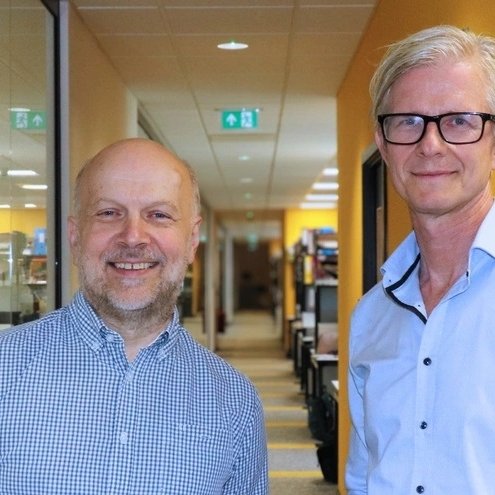
The hub will be co-led by Zilbauer and Professor Bertie Göttgens, director of the Cambridge Stem Cell Institute.
Göttgens said bringing together organisations across the Cambridge research and healthcare ecosystem would be central to the hub's work.
“By bringing together hospitals, research institutes and industry partners in Cambridge and across the UK, the Hub will accelerate the development and use of new, more accurate research tools that better reflect human biology to improve the development of new therapies,” he said.
The Wellcome Sanger Institute, MRC Laboratory of Molecular Biology and Royal Papworth Hospital NHS Foundation Trust are also partners in the initiative.
The project reflects a broader shift towards human-relevant models in biomedical research, with researchers increasingly combining stem-cell technologies, organoids, AI and advanced computational methods to improve the prediction of how diseases and treatments behave in patients.
By linking these technologies with clinical expertise and patient data, the Cambridge hub aims to create a more direct pathway between laboratory discoveries and the development of new medicines.
Looking for your next technology, science or engineering role? Maybe you’re just starting out in your career? Polytec is here to help you find the perfect position for you. Browse our current vacancies now >>> www.polytec.co.uk/jobs

Professors Bertie Gottgens and Matthias Zilbauer, co-leaders of the new Hub. Image credit: Cambridge Stem Cell Institute