Cambridge tech ecosystem valued at more than £150bn
The thriving Cambridge tech ecosystem is worth more than £150bn and represents 18% of the entire UK’s tech ecosystem, new data has revealed.
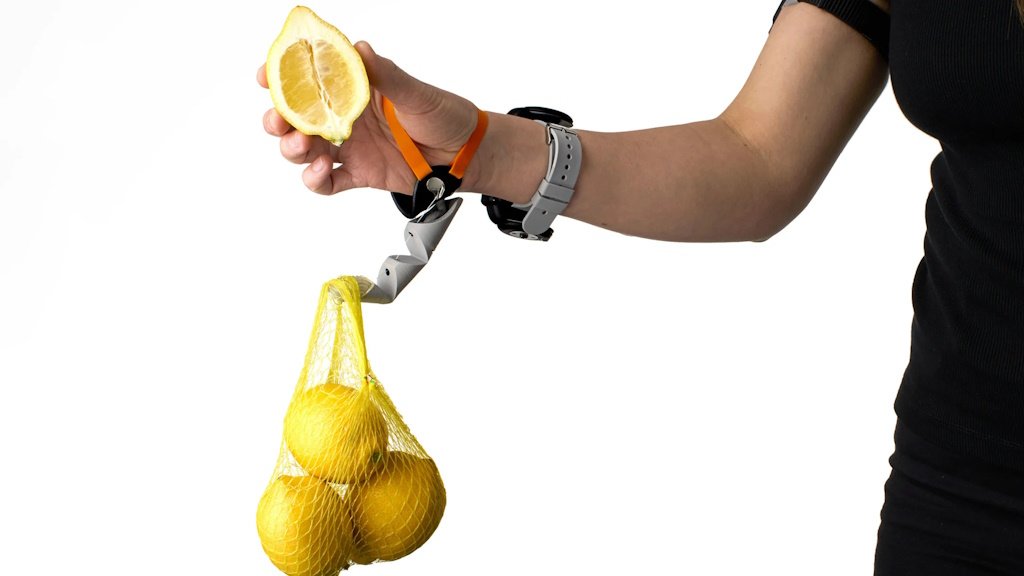
Image courtesy of University of Cambridge
Researchers from the University of Cambridge have developed a controllable robotic extra thumb which is designed to enhance productivity – and tests show people have no trouble using it.
The third thumb, which is worn on the opposite side of the palm to the biological thumb, is powered by wrist-worn motors which are controlled by a pressure sensor placed under each big toe or foot. How much the thumb moves is proportional to the pressure applied, and releasing pressure moves it back to its original position.
In 2022, the third thumb was showcased at the Royal Society Summer Science Exhibition, where nearly 600 members of the public tested the device. Tasks included picking up pegs from a pegboard and manipulating objects in a short time frame.
Just four people were unable to use the robotic thumb either because it did not fit their hand securely, or because they were unable to control it with their feet.
Tamar Makin, a professor of cognitive neuroscience at the University of Cambridge, said: "We are also really excited about potential opportunities of using the thumb to enhance productivity in work settings, especially those that are relying on their hand's manual dexterity in order to accomplish their work.”
“This can be anywhere between manual labourers that are trying to solder a complicated kit or even surgeons that have to negotiate between many instruments at the same time."
The Third Thumb’s creator, British product designer Dani Clode – who is a collaborator within Professor Makin’s lab – envisions the device as a tool for people with disabilities such as paralysis or differences in their upper limbs, or those with reduced physical functioning due to conditions like broken arms or strokes.
The results of the study are published in Science Robotics.
Looking for your next technology, science or engineering role? Maybe you’re just starting out in your career? Polytec is here to help you find the perfect position for you. Browse our current vacancies now >>> www.polytec.co.uk/jobs
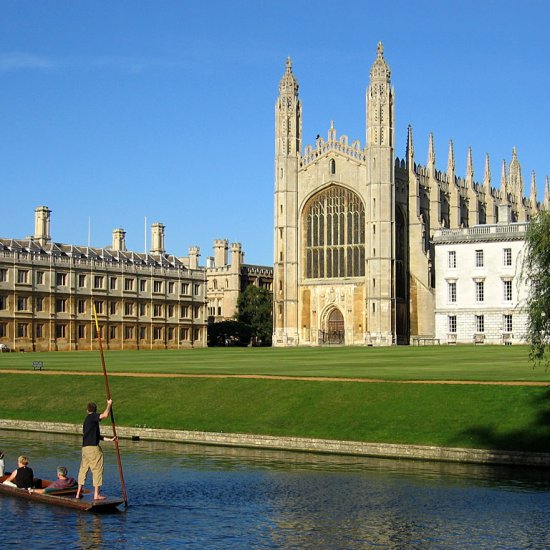
The thriving Cambridge tech ecosystem is worth more than £150bn and represents 18% of the entire UK’s tech ecosystem, new data has revealed.

Experts from the University of Cambridge are warning about the impact of so-called AI deadbots on the loved ones of the deceased individuals they are mimicking.

An abandoned sewage works in Hauxton, Cambridgeshire, which was described by a councillor as being like a “post-apocalyptic wasteland”, will be transformed into a new life science campus after outline planning permission for the project was approved.
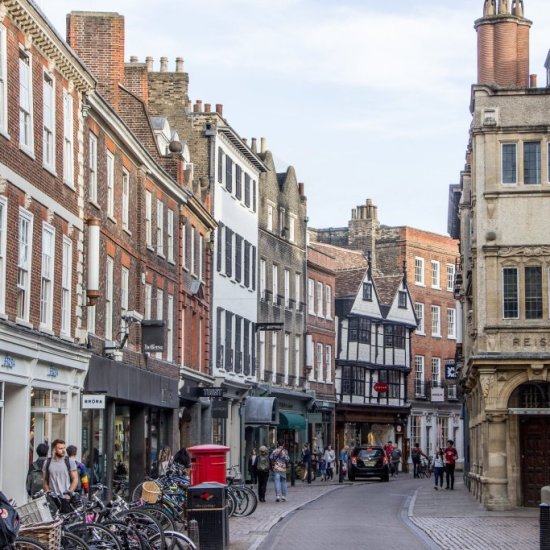
Cambridge city centre has regained its crown as the UK’s most popular shopping destination, new research has revealed.

Artificial intelligence (AI) is as good as some expert eye doctors when it comes to assessing eye conditions, new research has found.

The Industrial Revolution began in Britain under the reign of the Stuarts in the 17th century – more than 100 years earlier than history books credit – new research suggests.

A new partnership has been created to help children in East Cambridge get better access to science, technology, engineering and mathematics (STEM) through hands-on workshops.
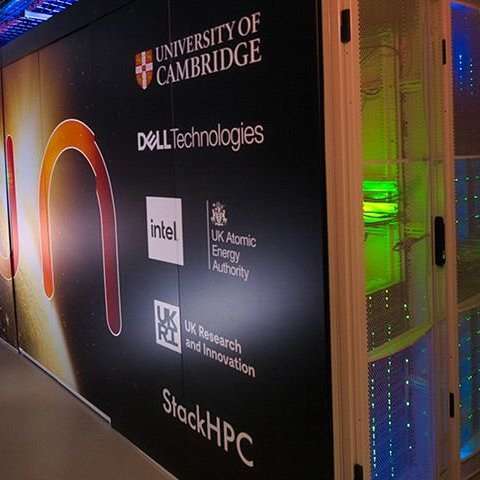
An AI supercomputer with enough power to help researchers solve the world’s most complex challenges is now up and running in Cambridge.

Three University of Cambridge researchers have been awarded £10m by the Royal Academy of Engineering to develop emerging technologies with high potential to deliver economic and social benefits to the UK.
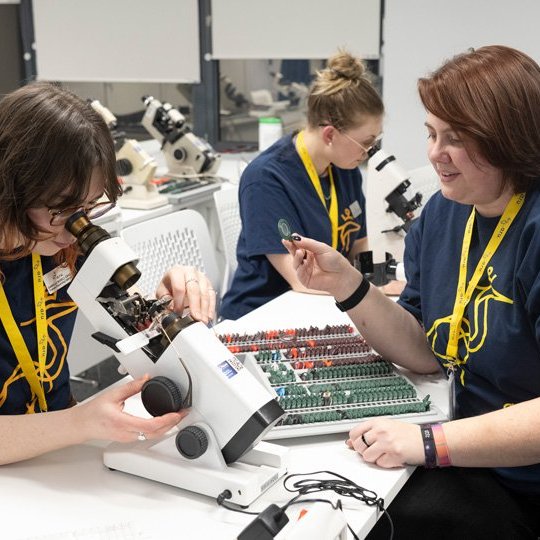
Anglia Ruskin University (ARU) has opened a new £1.9m Sensory Sciences Centre at Compass House on East Road in Cambridge.

A Cambridge-based cleantech company has secured £5.5m in funding to help drive the development of its biodegradable, plant-based plastic alternative.
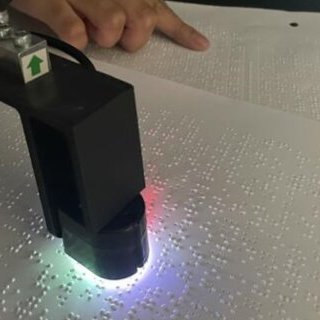
Scientists from the University of Cambridge have developed a robot that can read braille twice as fast as humans.