Cambridge tech ecosystem valued at more than £150bn
The thriving Cambridge tech ecosystem is worth more than £150bn and represents 18% of the entire UK’s tech ecosystem, new data has revealed.
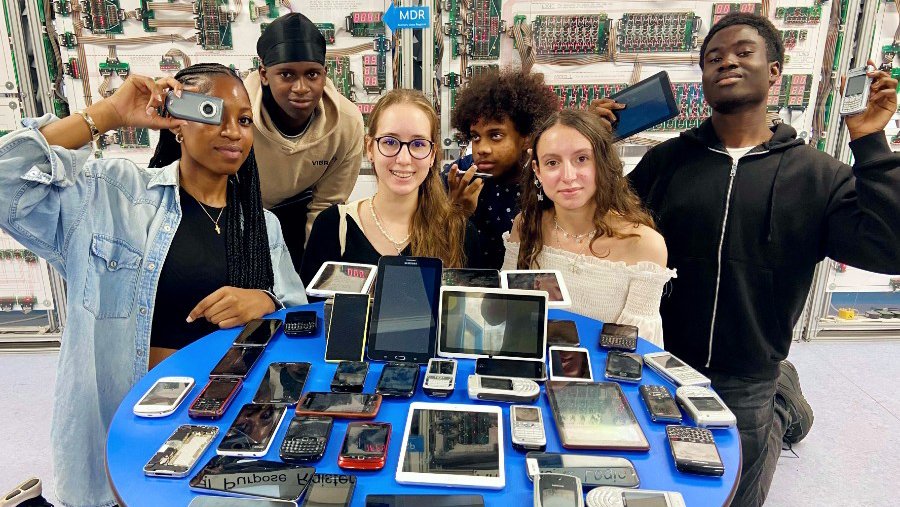
The Centre for Computing History's Broken Tech: Broken Earth project will engage the local community in exploring the environmental and social impacts of the tech boom.
The Centre for Computing History in Cambridge has been awarded two separate grants in recent weeks totalling almost £100,000.
The computer and video game museum located on Coldham's Rd was first awarded a £4,000 Community Grant from MathWorks, a leading developer of mathematical computing software for engineers and scientists. The grant will be used to support the Centre's Education programme, helping young people to understand computing history’s impact on society and inspiring the next generation of tech innovators.
The second grant of £93,000 from the Esmée Fairbairn Collections Fund, run by the Museums Association for its new project, 'Broken Tech: Broken Earth', will be used to help engage the local community in exploring the environmental and social impacts of the tech boom.
With the UK predicted to generate over 30,000 tonnes of e-waste a week by the end of this year, the museum is keen to work with local people and organisations to explore how to reinterpret their collection – which celebrates the incredible evolution of computing technology over the past 80 years – and tell alternative stories about the environmental impact of tech.
Speaking about the first award, Lisa McGerty, CEO of the Centre for Computing History, said: "We are incredibly grateful to MathWorks for this generous grant. Teacher feedback tells us that visits here give context and a sense of purpose that can’t be achieved in school. This vital support from MathWorks will help us educate and inspire over 2,500 children during the coming academic year.”
On the second award, she added: “We are delighted to be awarded this grant, which will allow us to work with local people to co-design an approach to this challenge and find out how we can tell these local and global stories in a way that inspires real change.”
Looking for your next technology, science or engineering role? Maybe you’re just starting out in your career? Polytec is here to help you find the perfect position for you. Browse our current vacancies now >>> www.polytec.co.uk/jobs
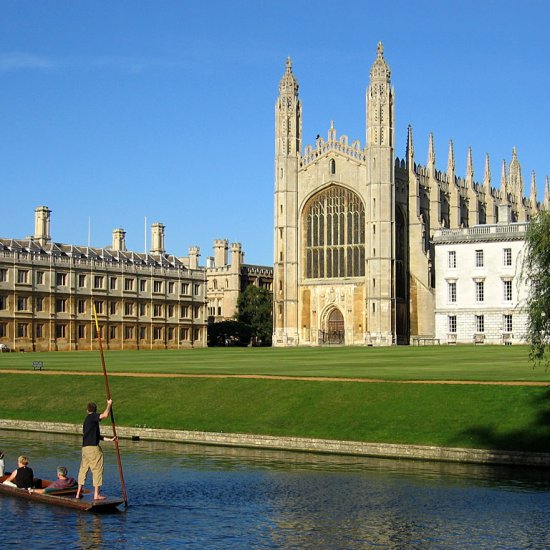
The thriving Cambridge tech ecosystem is worth more than £150bn and represents 18% of the entire UK’s tech ecosystem, new data has revealed.

Experts from the University of Cambridge are warning about the impact of so-called AI deadbots on the loved ones of the deceased individuals they are mimicking.

An abandoned sewage works in Hauxton, Cambridgeshire, which was described by a councillor as being like a “post-apocalyptic wasteland”, will be transformed into a new life science campus after outline planning permission for the project was approved.
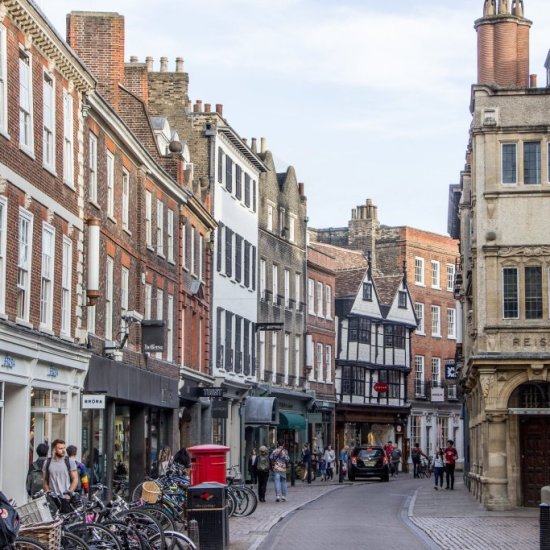
Cambridge city centre has regained its crown as the UK’s most popular shopping destination, new research has revealed.

Artificial intelligence (AI) is as good as some expert eye doctors when it comes to assessing eye conditions, new research has found.
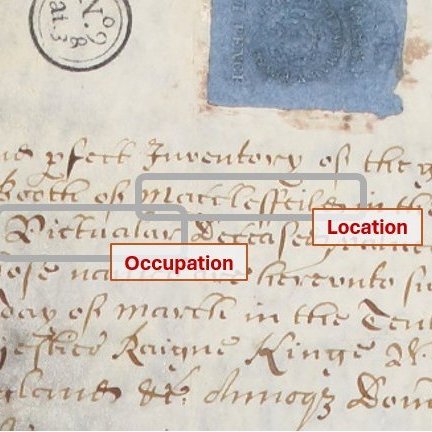
The Industrial Revolution began in Britain under the reign of the Stuarts in the 17th century – more than 100 years earlier than history books credit – new research suggests.

A new partnership has been created to help children in East Cambridge get better access to science, technology, engineering and mathematics (STEM) through hands-on workshops.
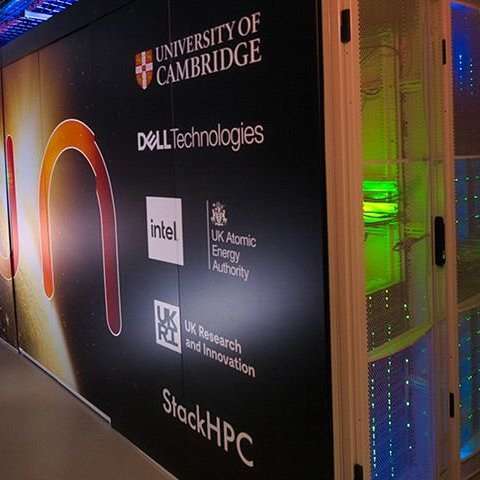
An AI supercomputer with enough power to help researchers solve the world’s most complex challenges is now up and running in Cambridge.

Three University of Cambridge researchers have been awarded £10m by the Royal Academy of Engineering to develop emerging technologies with high potential to deliver economic and social benefits to the UK.
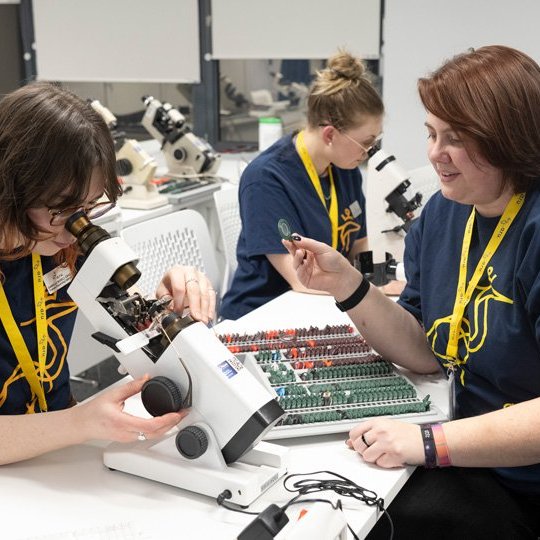
Anglia Ruskin University (ARU) has opened a new £1.9m Sensory Sciences Centre at Compass House on East Road in Cambridge.

A Cambridge-based cleantech company has secured £5.5m in funding to help drive the development of its biodegradable, plant-based plastic alternative.

Scientists from the University of Cambridge have developed a robot that can read braille twice as fast as humans.