Barclays reopens revamped Cambridge Eagle Lab for climate tech startups
Barclays has reopened its revamped Cambridge Eagle Lab, a space where high-growth climate tech startups can connect, grow and scale.
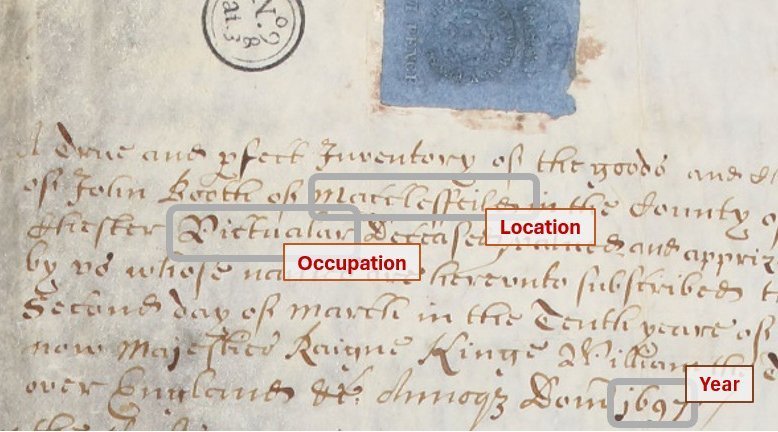
Image courtesy of Pixabay
The Industrial Revolution began in Britain under the reign of the Stuarts in the 17th century – more than 100 years earlier than history books credit – new research suggests.
According to the University of Cambridge’s Economies Past website, which contains the most detailed occupational history of a nation ever created, Britain saw a steep decline in agricultural peasantry and a surge in people who manufactured goods in the 1600s.
Researchers say the findings show that Britain was industrialising long before the mills and steam engines of the late 18th century – which have been long credited as the birth of global industry and economic growth – with a surge in local artisans like blacksmiths, shoemakers and wheelwrights, alongside a burgeoning network of home-based weavers producing cloth for wholesale.
Intriguingly, records show that manufacturing numbers had started to flatline by the early 1800s, when William Blake was writing of “dark satanic mills”. In fact, it seems many parts of Britain were even “deindustrialising”, according to researchers.
Then, in the 19th century, Britain witnessed its service sector almost double – a boom often thought to have begun closer to the 1950s. These included sales clerks, domestic staff, professionals such as lawyers and teachers, as well as a huge increase in transport workers on the canals and railways.
Prof Leigh Shaw-Taylor, the economic historian who led the project, said: “A hundred years has been spent studying the Industrial Revolution based on a misconception of what it entailed.
“By cataloguing and mapping centuries of employment data, we can see that the story we tell ourselves about the history of Britain needs to be rewritten.
“We have discovered a shift towards employment in the making of goods that suggests Britain was already industrialising over a century before the Industrial Revolution.”
Looking for your next technology, science or engineering role? Maybe you’re just starting out in your career? Polytec is here to help you find the perfect position for you. Browse our current vacancies now >>> www.polytec.co.uk/jobs

Barclays has reopened its revamped Cambridge Eagle Lab, a space where high-growth climate tech startups can connect, grow and scale.
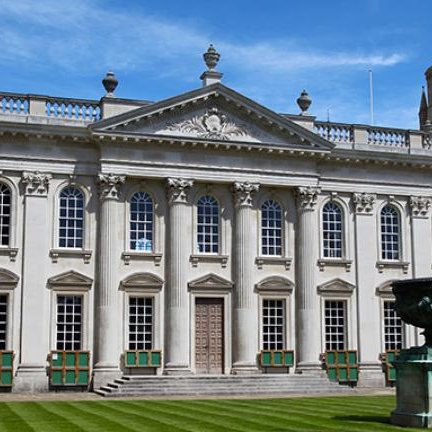
The University of Cambridge and Imperial College London will introduce new admissions tests for science, engineering and mathematics based degree courses as part of a joint venture between the two education establishments.

The pioneering founder of a Cambridge company that specialises in location-tracking technology has been recognised in the New Year Honours list.
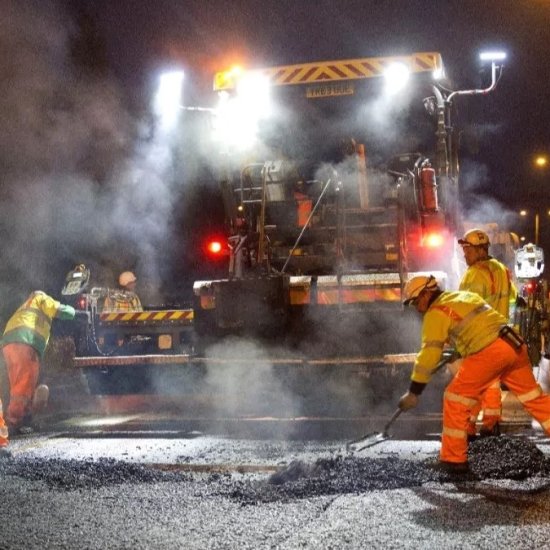
National Highways has chosen three artificial intelligence companies, including two from Cambridge, to take part in a trial to investigate how the technology can be used to help improve roadworks projects.

A planning application has been submitted for a new science district in Cambridge.

The year 2023 saw artificial intelligence impact our language, a reality highlighted by popular dictionaries’ words of the year.

South Cambridge District Council has unanimously approved a proposal for a new 125,000 sq. ft. next generation life sciences hub in Cambridge.

The Greater Cambridge region’s corporate economy has significantly outperformed the UK average during the year ending in mid-February 2023, a new analysis of official data has revealed.
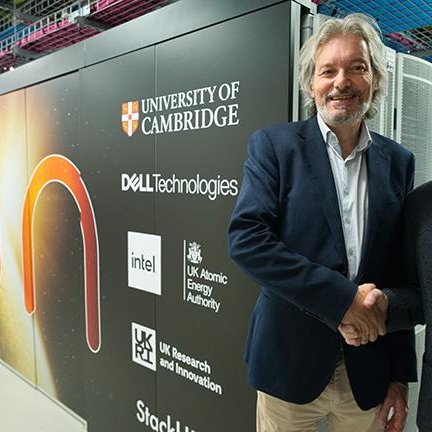
A partnership between Dell, Intel, the University of Cambridge, UK Research and Innovation (UKRI) and the UK Atomic Energy Authority (UKAEA) has resulted in phase one of the UK's fastest artificial intelligence (AI) supercomputer being delivered.
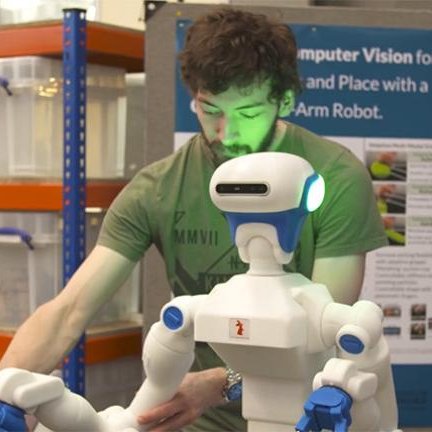
The University of Cambridge and Google have deepened their long-standing artificial intelligence (AI) partnership, with the latter sponsoring a new research centre at the university.
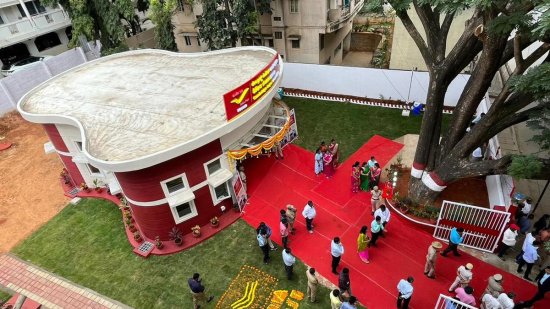
A first of its kind in the world 3D printed post office has opened in Bengaluru, southwest India.
The developer behind a new science district planned on an old landfill site in Cambridge has said the project will create thousands of jobs.