Cambridge tech ecosystem valued at more than £150bn
The thriving Cambridge tech ecosystem is worth more than £150bn and represents 18% of the entire UK’s tech ecosystem, new data has revealed.
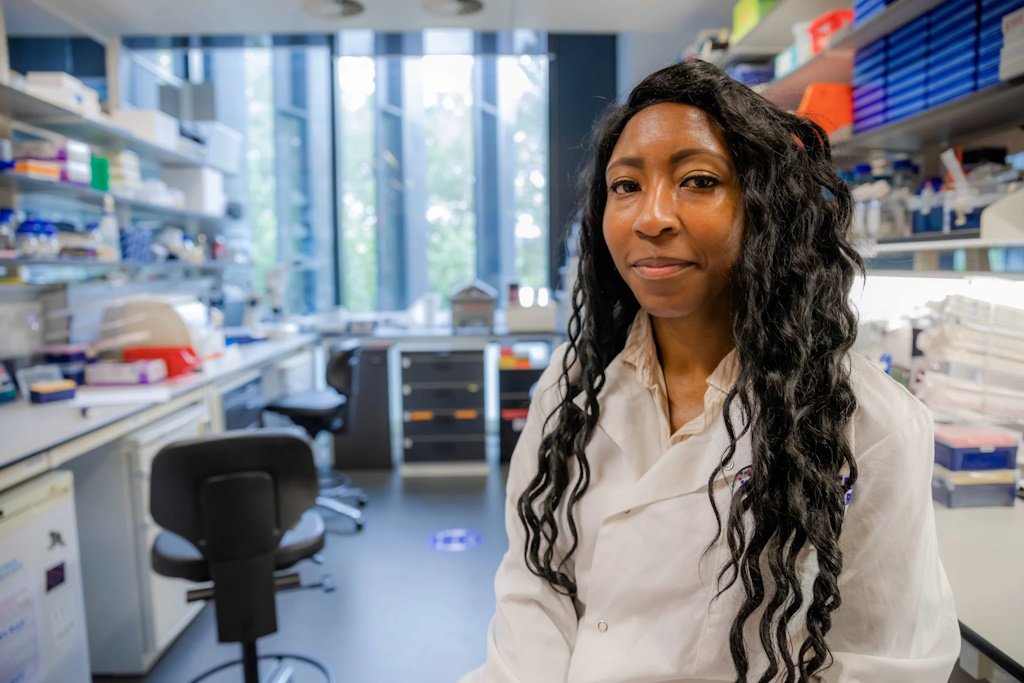
Sigourney Bonner, co-founder of Black in Cancer. Image - Lloyd Mann
A new initiative has been launched by a University of Cambridge scientist to drive a change in diversity and help create a cancer research sector that better represents the wider population.
Postdoctoral associate Sigourney Bonner launched Black in Cancer – with US colleague Dr Henry Henderson – while studying for a PhD at the Cancer Research UK Cambridge Institute because black people were "underrepresented in research" and "overrepresented in cancer mortality".
Black in Cancer aims to empower the Black community around the disease and break down harmful stigma and misconceptions.
Ms Bonner said: “We want to bring Black researchers to the fore, and at the same time create a trusted, and culturally informed source of information for people who are dealing with a diagnosis of cancer”.
She added: “Black patients are sometimes not heard, and referrals to oncologists can take longer and require more GP appointments for those from ethnic minority backgrounds. There are a number of reasons why people might be less inclined to seek help, some of those can be socioeconomic factors, for example taking time off work to go to the GP and the financial impact of that, but the reasons can be complex, and both social and cultural”.
In less than four years, Black in Cancer – which recently moved its headquarters to Cancer Research UK's Cambridge Institute – has established partnerships with universities and research organisations in the UK and the US, created a conference series, developed a mentorship programme, and helped Black researchers access around £1.5m of funding.
The organisation has also worked with Cancer Research UK (CRUK) on the launch of the Black Leaders in Cancer PhD Scholarship Programme, in partnership with Cambridge University, to help develop the next generation of Black scientists in cancer research and tackle barriers to progression that Black people face in accessing Higher Education, particularly postgraduate studies.
A recent study by Cancer Research UK and NHS Digital found Black women were more likely than White women to be diagnosed with late-stage cancer, when the disease is generally harder to treat.
Looking for your next technology, science or engineering role? Maybe you’re just starting out in your career? Polytec is here to help you find the perfect position for you. Browse our current vacancies now >>> www.polytec.co.uk/jobs
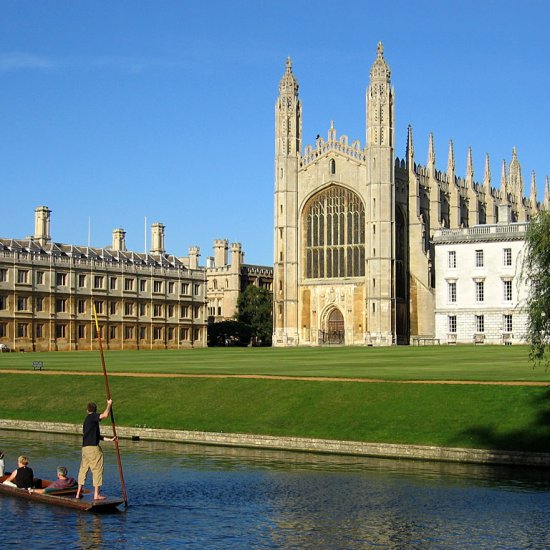
The thriving Cambridge tech ecosystem is worth more than £150bn and represents 18% of the entire UK’s tech ecosystem, new data has revealed.

Experts from the University of Cambridge are warning about the impact of so-called AI deadbots on the loved ones of the deceased individuals they are mimicking.

An abandoned sewage works in Hauxton, Cambridgeshire, which was described by a councillor as being like a “post-apocalyptic wasteland”, will be transformed into a new life science campus after outline planning permission for the project was approved.
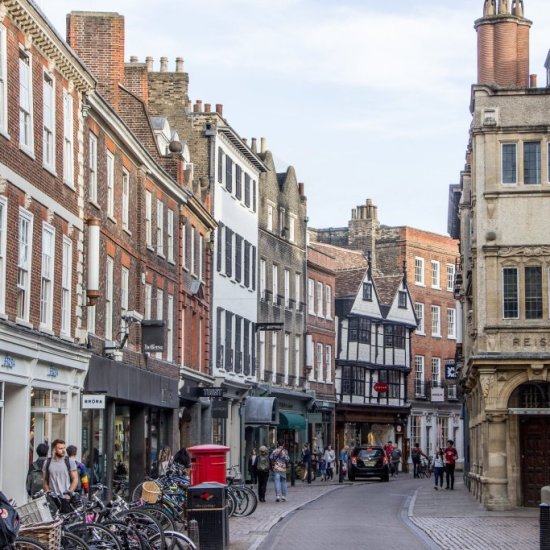
Cambridge city centre has regained its crown as the UK’s most popular shopping destination, new research has revealed.

Artificial intelligence (AI) is as good as some expert eye doctors when it comes to assessing eye conditions, new research has found.

The Industrial Revolution began in Britain under the reign of the Stuarts in the 17th century – more than 100 years earlier than history books credit – new research suggests.

A new partnership has been created to help children in East Cambridge get better access to science, technology, engineering and mathematics (STEM) through hands-on workshops.
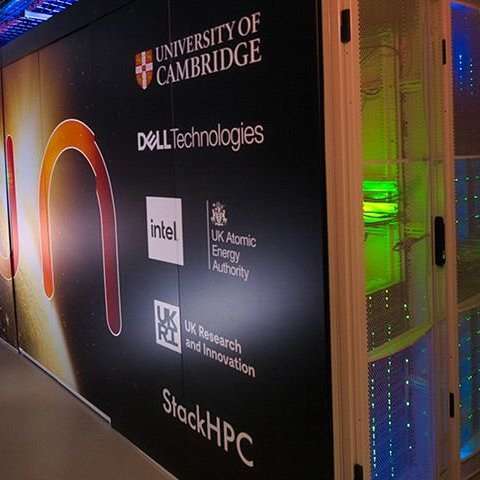
An AI supercomputer with enough power to help researchers solve the world’s most complex challenges is now up and running in Cambridge.

Three University of Cambridge researchers have been awarded £10m by the Royal Academy of Engineering to develop emerging technologies with high potential to deliver economic and social benefits to the UK.
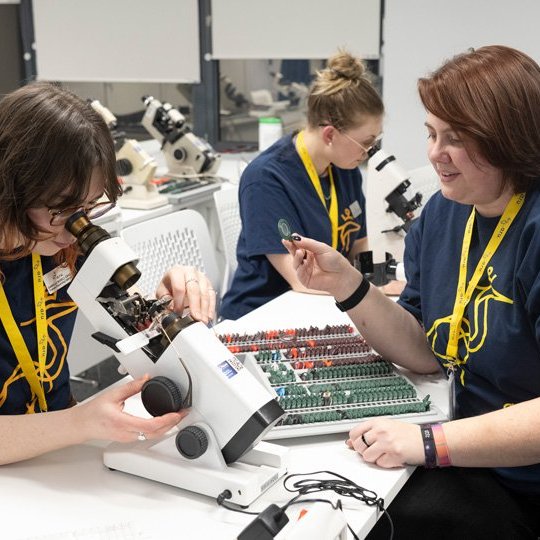
Anglia Ruskin University (ARU) has opened a new £1.9m Sensory Sciences Centre at Compass House on East Road in Cambridge.

A Cambridge-based cleantech company has secured £5.5m in funding to help drive the development of its biodegradable, plant-based plastic alternative.

Scientists from the University of Cambridge have developed a robot that can read braille twice as fast as humans.