Ambassador visits Cambridge to boost UK-US innovation ties
The UK Ambassador to the United States visited the University of Cambridge to explore its global leadership in innovation and strengthen transatlantic academic and industrial collaboration.
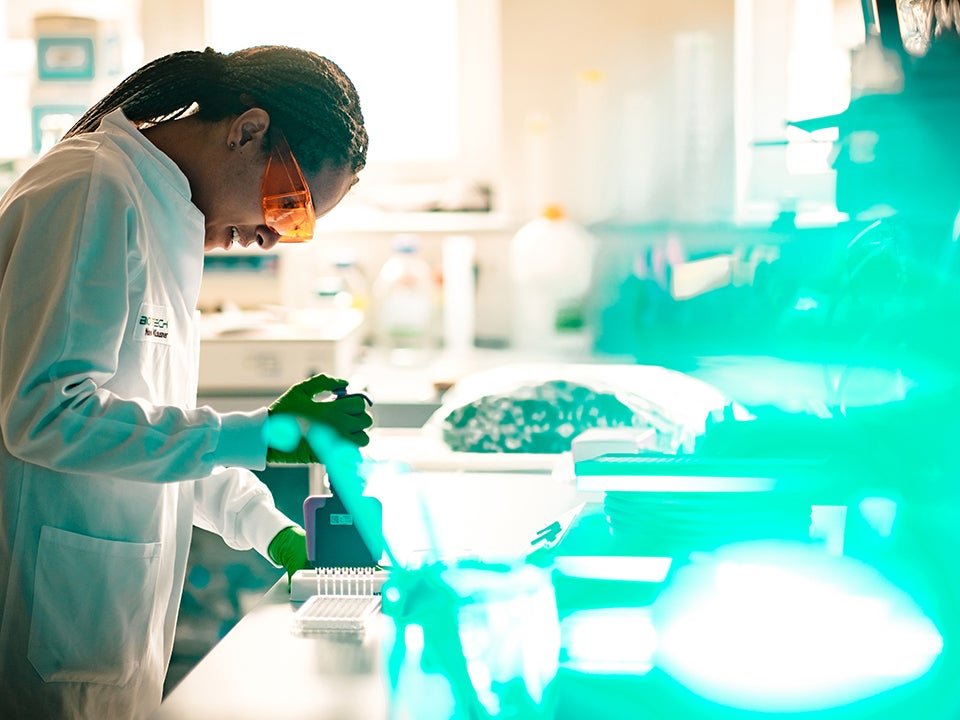
Image credit: BioNTech
Biopharmaceutical company BioNTech yesterday announced it will invest £1bn in the United Kingdom over the next 10 years, creating hundreds of jobs in London and Cambridge in the process.
The Covid-19 vaccine pioneer said it will establish new research and AI centres in London and Cambridge as part of its investment, to drive new advances in medical science.
BioNTech’s investment will be underpinned by up to £129m of government support, a move, the government says, that highlights its commitment to life sciences as a key part of the Plan for Change.
Undoubtedly, the significant investment is testament to the confidence in the UK life sciences – one of the priority sectors of the economy that will form a key part of the forthcoming Industrial Strategy. The UK life sciences sector is also regarded as an important driver of economic growth, job creation, and innovations that could overhaul what’s possible in healthcare.
Expanding its presence in the UK, BioNtech will create more than 400 new highly skilled jobs over the next 10 years, including researchers in clinical and scientific drug development, bioinformatics, and a range of supporting functions. Furthermore, the investment will Indirectly create a substantial number of additional jobs in the supply chain.
In Cambridge, BioNTech plans to set up a new R&D centre focused on genomics, oncology, structural biology, and regenerative medicine. In London, BioNTech intends to establish its UK headquarters, which will be home to a new AI hub led by InstaDeep Ltd.
Speaking about the announcement, Science and Technology Secretary Peter Kyle said: “This investment will propel the growth-driving life sciences sector to new heights, delivering cutting-edge facilities, building careers in the future-facing jobs we want our children to have, and ultimately unlocking progress in medical science that could save lives.”
Richard Torbett, Chief Executive of the Association of the British Pharmaceutical Industry (ABPI), added: “This investment is a testament to the fantastic skills, research capabilities, and scientific infrastructure we have in the UK. It is also a template for how the UK could unlock further life science sector growth by removing the barriers and roadblocks to investment.”
Looking for your next technology, science or engineering role? Maybe you’re just starting out in your career? Polytec is here to help you find the perfect position for you. Browse our current vacancies now >>> www.polytec.co.uk/jobs

The UK Ambassador to the United States visited the University of Cambridge to explore its global leadership in innovation and strengthen transatlantic academic and industrial collaboration.

Researchers from the University of Cambridge and University College London (UCL) have developed an innovative, low-cost robotic “skin” that could dramatically enhance a robot’s sense of touch.

Cambridge has been recognised as the most innovative city in the UK relative to its population, according to a newly released report by Dealroom.
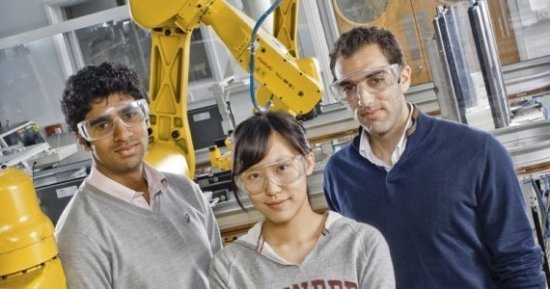
Cambridge’s advanced manufacturing and innovation economy is set for a major uplift following the UK government’s recent trade agreements with India, the United States, and the European Union.
Biopharmaceutical company BioNTech yesterday announced it will invest £1bn in the United Kingdom over the next 10 years, creating hundreds of jobs in London and Cambridge in the process.

Lloyds Bank has partnered with the University of Cambridge to provide artificial intelligence (AI) training to around 300 senior staff.

Cambridge is the UK’s most sustainable city for the second year running, new data has revealed.

Digital technologies are proliferating at such a rate that the scientific systems designed to evaluate their impact on public health cannot keep up, two leading researchers have said.

The University of Cambridge is set to establish a new academic department later this year, aiming to explore how artificial intelligence (AI) can drive economic growth and enhance policymaking.

A new virtual reality (VR) platform has been developed to help people overcome their fear of public speaking.

A venture capital group backed by the University of Cambridge has launched a £100m opportunity fund designed to drive growth among DeepTech and life sciences companies in the region.
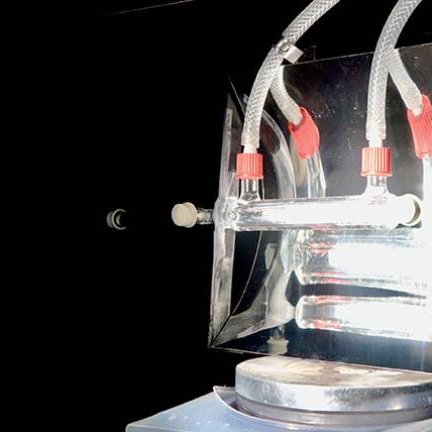
Scientists from the University of Cambridge have created a solar-powered device that converts carbon dioxide (CO2) into sustainable fuel.