Cambridge remains world's most intensive science and technology cluster
The city of Cambridge is still the world’s most intensive science and technology cluster, a new report has revealed.

Barclays' Cambridge Eagle Lab has enough space to accommodate 130 individuals
Barclays has reopened its revamped Cambridge Eagle Lab, a space where high-growth climate tech startups can connect, grow and scale.
Cambridge Eagle Lab has enough space to accommodate 130 individuals, as well as 75% more collaboration areas for meetings, events and networking.
The newly-designed workspace now boasts a 90% reduction in carbon emissions compared to 2018, having undergone a period of retrofitting designed to boost its green credentials.
Key major upgrades to the building include solar panels by Naked Energy; a smart heating, ventilation and air conditioning system powered by renewable energy sources; energy-efficient double-glazed windows with solar control; roof and cavity wall insulation; and water reduction technologies.
Automatic lighting and window-blind controls have also been installed to optimise light levels and quality, while improving overall energy consumption.
The existing vault in the banking hall has even been retained, now repurposed as a media room and podcast studio. Retaining the vault helped reduce construction waste associated with the project.
Nick Stace, Head of Sustainability, Barclays UK, said: “We’re excited to be reopening the doors to our Eagle Lab in Cambridge with a renewed focus as a centre of excellence for climate tech start-ups. We want to play a leading role in supporting climate tech and sustainability-focused businesses, by giving them the tools to help them connect, grow and scale. It was crucial that the retrofit and internal redesign of the building accurately reflected the ethos of the businesses that will use it and we expect it to provide significant energy efficiency improvements, allowing us to take an important step forward in reducing our own operational emissions.
“We know that startups need more than just a space, which is why we’re also supporting businesses through our climate tech accelerator programmes from the Cambridge Eagle Lab. We hope this package of support enables businesses to scale at pace and tackle some of today’s most pressing climate tech challenges.”
Find out more about Cambridge Eagle Lab here: https://labs.uk.barclays/locations/cambridge
Looking for your next technology, science or engineering role? Maybe you’re just starting out in your career? Polytec is here to help you find the perfect position for you. Browse our current vacancies now >>> www.polytec.co.uk/jobs
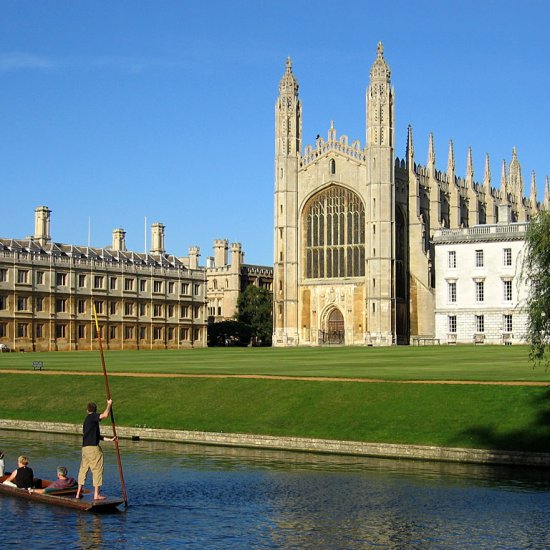
The city of Cambridge is still the world’s most intensive science and technology cluster, a new report has revealed.

The Royal Academy of Engineering has elected 73 leading figures from the field of engineering and technology into its fellowship.
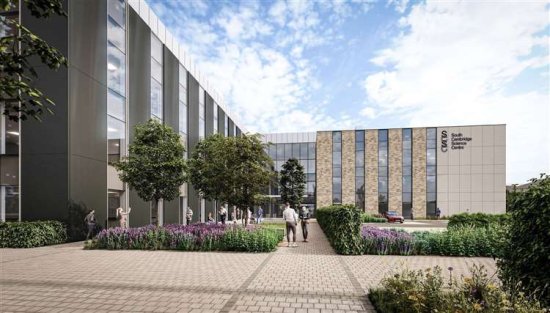
Work has begun on the new South Cambridge Science Centre (SCSC) at a brownfield site in Sawston, south of the city.

Earlier this month, the UK’s new Semiconductor Advisory Panel met at Imperial College London and members from several Cambridge chip firms were among those present.

A significant proportion of UK employers are turning to counteroffers to retain key staff amid ongoing skills shortages, new research from The Chartered Institute of Personnel and Development (CIPD) shows.

Adopting robots has a U-shaped effect on a company’s profits, driving them down to start with before they rebound and rise, according to new research from the University of Cambridge.
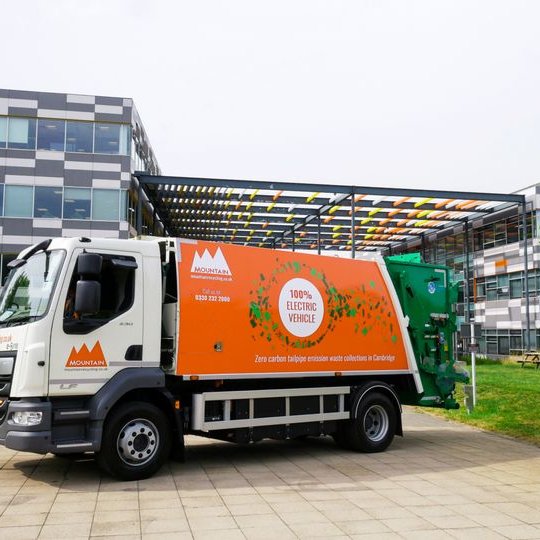
The University of Cambridge is looking to boost the amount of rubbish that gets recycled on campus by introducing new bins, 3D scanners and miles of conveyor belts.
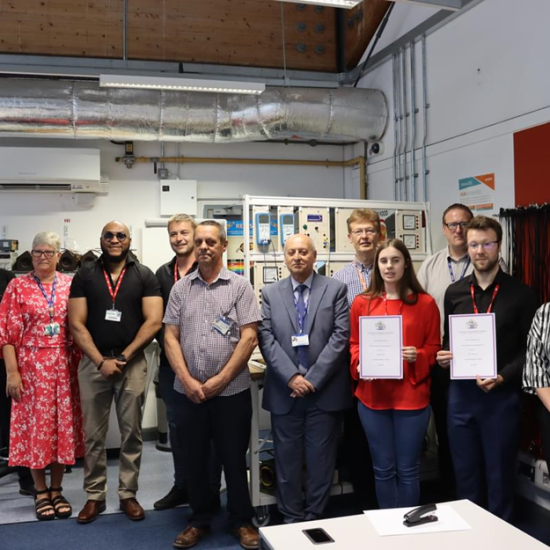
Four students from Cambridge Regional College (CRC) have had their talents recognised by The Institute of Engineering and Technology (IET)’s Cambridge Network.
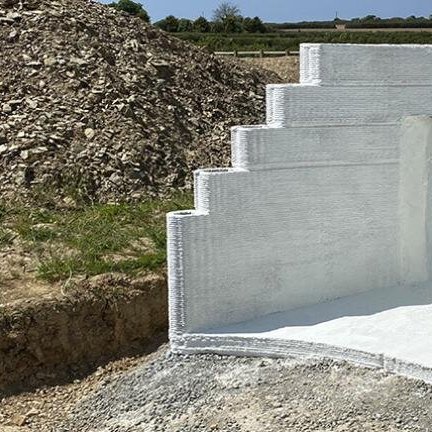
In a national first, researchers from the University of Cambridge have helped develop a 3D-printed, smart piece of concrete infrastructure for a National Highways project.

A teenager from Cambridge has won a national award in the prestigious Big Bang UK Young Scientists & Engineers Competition.

Construction has started on Cambridge South, Cambridge’s new railway station, which will serve the city’s Biomedical Campus.
Cambridge has been named one of the most desirable places to live in the UK, in a list recently published by The Telegraph.